
How to Remodel a Bathroom When You Only Have One? A Tremendous Guide
Remodeling a bathroom is an exciting process for many homeowners, but when you only have one, it can be a bit challenging. Ensuring that the process runs smoothly without inconveniencing your household is crucial. With proper planning and clear strategies, this task becomes completely manageable. Learning to remodel a bathroom and maintaining its functionality simultaneously should be your primary goal.
1. Why Consider Remodeling?
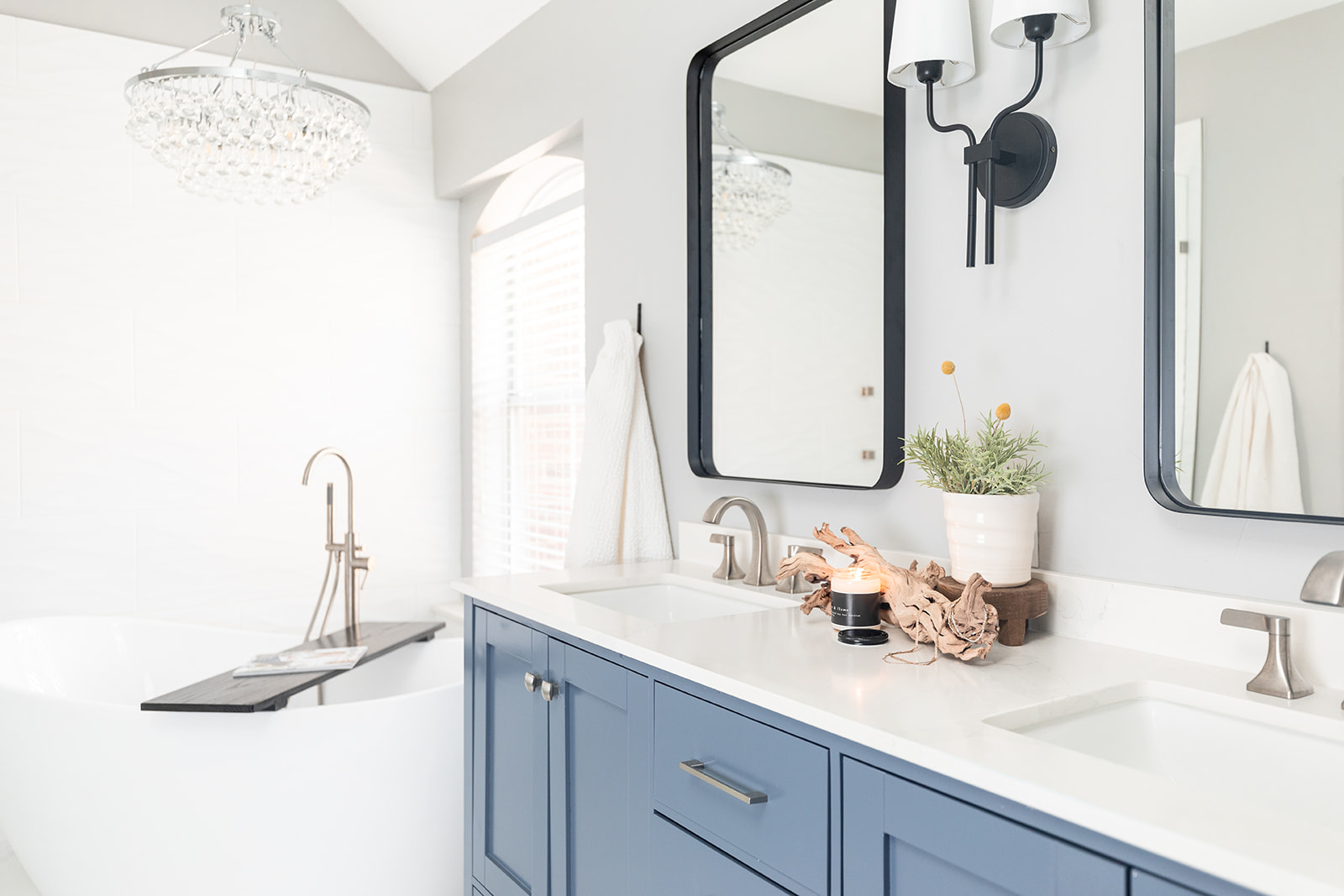
Understanding why you desire a bathroom remodel is essential. Remodeling can raise the aesthetic value, enhance functionality, and even increase the homes resale value. Identifying your objective helps you make informed decisions about essential changes.
2. Planning Ahead is Key
The first step is creating a plan. This involves setting a realistic budget, determining the scope of the project, and visualizing the timeline. Planning ensures you stay on course and that you minimize disruptions.
2.1 Budgeting
Budget effectively to avoid any financial strain. Allocate funds for all anticipated expenses, including materials, labor, and unexpected costs. Remember to always err on the side of caution with your budget.
2.2 Timeline
Since your house has only one bathroom, scheduling the remodel during a time when it will cause the least inconvenience is advisable. Make sure the timeline is reasonable to prevent hurried work, resulting in mistakes.
3. Selecting the Right Design
Choosing a design that maximizes space and functionality is vital. Make use of the existing layout to minimize costs on plumbing and electrical changes. Opt for a design that enhances usability while maintaining appeal.
4. Choosing Quality Fixtures and Materials
Opt for quality materials and fixtures to ensure longevity and durability. Investing in good-quality faucets, tiles, and vanities reduces the need for frequent replacements.
4.1 Energy Efficiency
Consider adding energy-efficient elements. Low-flow faucets and high-efficiency lights help in saving on bills while being environmentally friendly.
5. Hiring a Professional Vs. DIY
There are pros and cons to both DIY and hiring experts. Weighing these will help you decide on the best course of action. DIY can save money, but professionals can bring expertise and ensure high-quality work.
6. Remodeling Without Losing Functionality
Maintaining usability of your bathroom during remodeling requires creativity. Setting up a temporary bathroom or arranging access to a neighbors/friends bathroom can help overcome this issue.
Pulse Showerspas Remodeling Tips
6.1 Tackling Plumbing Issues
Address potential plumbing issues by scheduling them during your off-hours to avoid major disruptions. Ensure that necessary plumbing elements are functioning while others are being worked on.
7. Dealing with Delays
Setbacks are common in remodeling projects. Planning for them in advance makes them less stressful. Create a contingency time plan that accounts for unforeseeable delays.
8. Getting Necessary Permits
Ensure that all required permits are obtained before starting the renovation. Having all permissions in place helps avoid legal issues down the line.
8.1 Local Regulations
Familiarize yourself with local laws and regulations regarding home renovations to make sure your changes comply.
9. Decor and Final Touches
Choose decor that compliments your new bathroom. Adding suitable finishes, paints, and artwork can give your bathroom a polished look.
10. Maximizing Storage
Proper storage solutions can be game-changers in limited spaces. Install cabinets, shelving, or innovative storage options to keep your bathroom clutter-free.
11. Testing Everything
Before deeming the remodel complete, ensure that all elements (water supply, lighting, ventilation) are functioning well. Doing so prevents future issues.
12. Cleaning Up
A thorough clean-up is necessary for enjoying your newly remodeled bathroom while maintaining hygiene and safety.
13. Enjoy Your Terrific New Space
Once the remodeling project is complete, indulge in the delightful results. A fresh and efficient space awaits that caters to all your needs.
FAQs
How long does a remodeling project take?
The duration varies based on the project scope, but on average, a bathroom remodel can take between 3-6 weeks.
Do you need a permit for every bathroom remodel?
Not always. Certain elements like plumbing or electrical modifications may require permits.
Can I use the bathroom during renovation?
Yes, but it may require rearranging schedules and setting up temporary alternatives.