
How to renovate old kitchen? Big Tremendous Approved Technology
Introduction
Renovating an old kitchen can be both exciting and challenging. It’s here where you create delightful meals and spend quality time with loved ones. Understanding how to renovate an old kitchen effectively is crucial in transforming your culinary space into a modern and efficient area. This comprehensive guide will provide you with insights and tips to ensure a successful kitchen renovation.
Revamping your aging kitchen requires careful planning and the right blend of creativity and practicality. Here, we’ll discuss everything from selecting the best designs to incorporating cutting-edge technology, ensuring your home improvement project is both efficient and delightful.
1. Assess Your Current Kitchen Layout
Before diving into the renovation process, take a step back to evaluate your current kitchen layout. Identify what’s working and what needs improvement. Consider aspects like workspace flow, storage capacity, and appliance placement. This evaluation will help you plan a renovation that suits your specific needs.
1.1 Identify Problem Areas
Make a list of problem areas that hinder your kitchen’s functionality and aesthetics. Do the cabinets lack space? Is the lighting insufficient? Addressing these issues will guide your renovation decisions.
1.2 Measure Your Kitchen Space
Accurate measurements are key to planning a successful renovation. Measure the dimensions of your kitchen, including counters, cabinets, and appliances. These numbers will be essential when selecting new fixtures and planning layout changes.
2. Set Your Renovation Budget
Setting a budget is crucial to avoid overspending during your renovation project. Determine a realistic budget that includes materials, labor costs, permits, and unexpected expenses. Stick to your budget to prevent financial stress down the line.
For more tips on managing renovation costs, visit the DIY website.
3. Decide on a Kitchen Style
Choosing a kitchen style is an exciting part of the renovation process. Whether you prefer modern, traditional, or eclectic, ensure your kitchen style reflects your personal taste and complements your home’s overall design.
3.1 Modern Kitchens
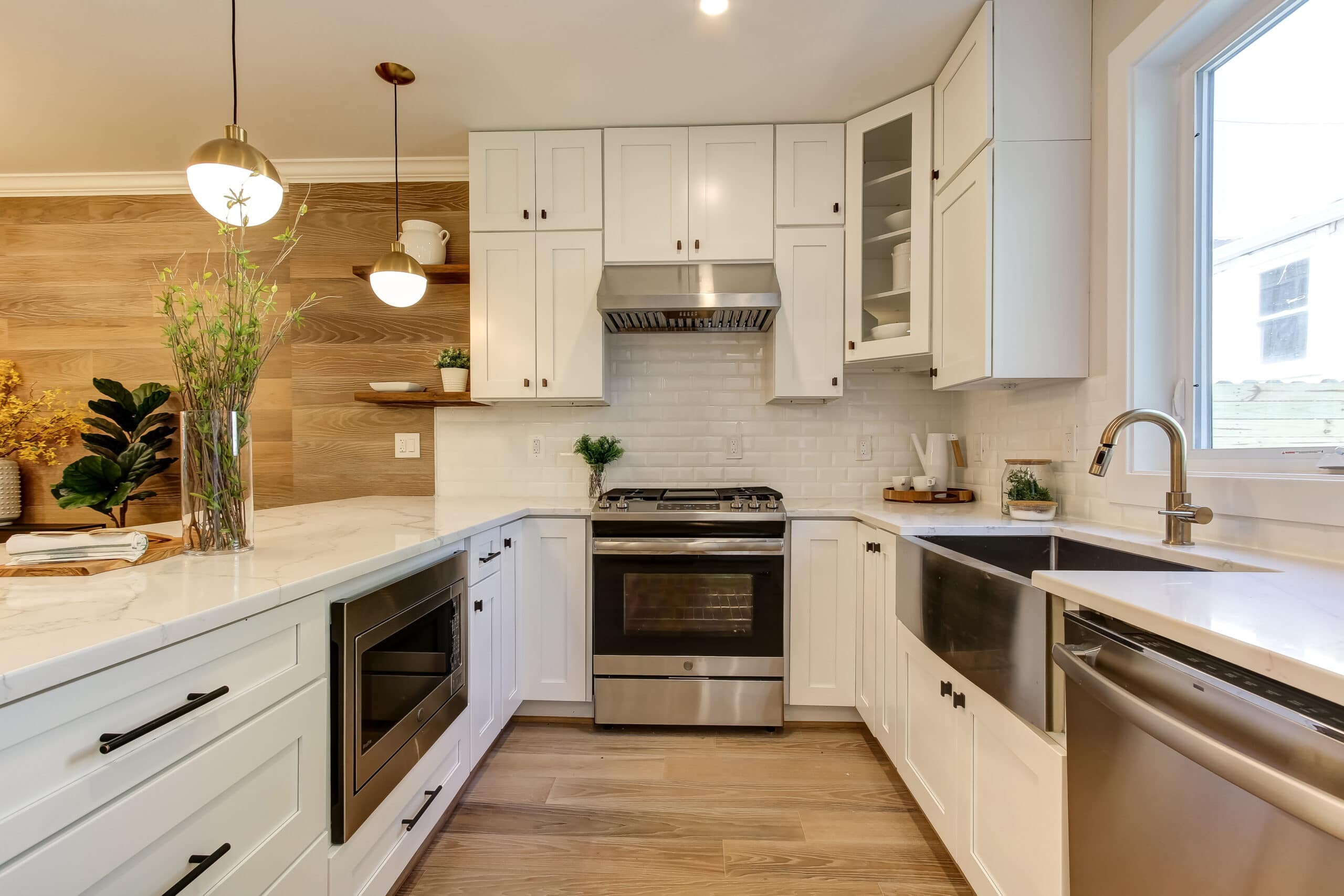
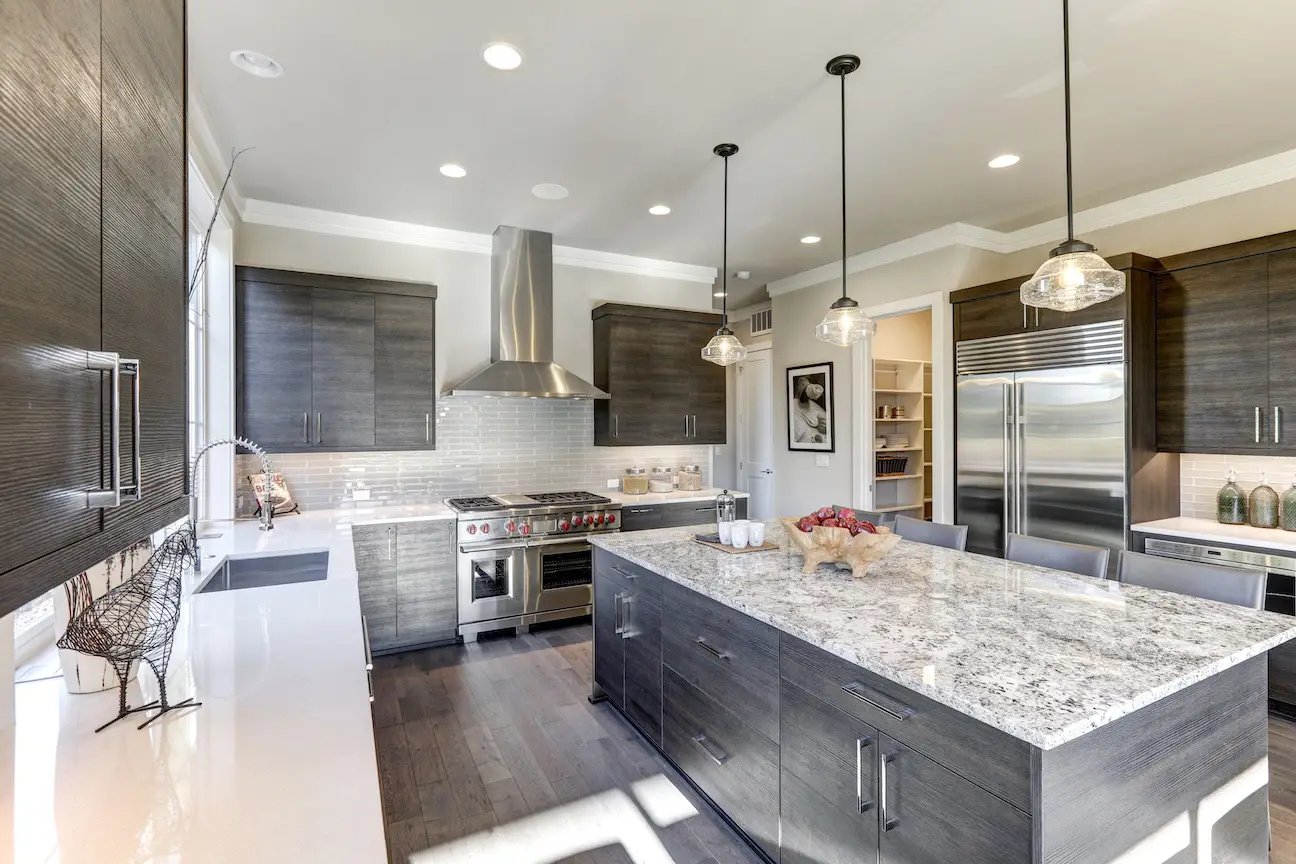
Modern kitchens emphasize minimalism and efficiency. Think sleek cabinetry, stainless steel appliances, and neutral color palettes. Modern design integrates technology seamlessly for a futuristic look.
3.2 Traditional Kitchens
Traditional kitchens exude warmth and comfort. They often feature rich wood finishes, intricate detailing, and vintage fixtures. A traditional kitchen can create a welcoming and homey atmosphere.
4. The Role of Technology in Kitchen Renovation
Incorporating technology into your renovated kitchen can dramatically enhance its functionality. Smart appliances, automated lighting, and touchless faucets are just a few examples of the advancements available today.
4.1 Smart Appliances
From refrigerators that create grocery lists to ovens you can control with your smartphone, smart appliances are revolutionizing kitchen experiences. Investing in these devices can save time and energy.
4.2 Automated Lighting
Energy-efficient, automated lighting systems can adapt to your needs, offering both aesthetics and functionality. These systems may include voice controls and motion sensors.
5. Choosing the Right Materials
Selecting the right materials is crucial for both aesthetics and durability. Your choices will depend on your budget, style, and personal preferences.
5.1 Durable Countertops
Consider materials like granite, quartz, or butcher block for your countertops. These materials offer lasting beauty and are easy to maintain.
5.2 Cabinets and Hardware
Cabinetry is a focal point in your kitchen. Choose high-quality materials that complement your design style, and don’t forget to select hardware that adds a stylish touch.
6. High-Impact Kitchen Upgrades
Some upgrades deliver significant bang for your buck in a kitchen renovation. Focus on these to maximize your investment.
6.1 Sink and Faucet
Updating your sink and faucet can facelift your kitchen’s functionality. Opt for deep sinks and modern faucets to enhance style and usability.
6.2 Backsplash Design
A new backsplash can dramatically affect your kitchen’s look. Select materials like subway tiles or colorful mosaics for visual interest.
6.3 Open Shelving
Opening shelving adds charm and accessibility. Display your favorite kitchenware for a personalized touch.
7. Plan for Storage Solutions
Efficient storage solutions can transform a cluttered kitchen into an organized haven. Strategically plan your storage to enhance functionality.
7.1 Built-In Storage
Integrating built-in storage options can save space and improve accessibility. Think pull-out pantries and under-cabinet storage for optimum efficiency.
7.2 Innovative Storage Ideas
Consider adding a lazy Susan, drawer organizers, and hanging racks to make the most of your space and minimize clutter.
8. Enhancing Kitchen Lighting
The right lighting can elevate the ambiance of your kitchen. Combine task, ambient, and accent lighting to create a balanced, welcoming environment.
8.1 Task Lighting
Task lighting focuses on areas that require detailed work, such as food preparation zones or reading nooks. Under-cabinet LED lights are a popular choice.
8.2 Ambient Lighting
Ambient lighting provides overall illumination. Consider pendant lights or recessed lighting to create a warm, inviting atmosphere.
8.3 Accent Lighting
Accent lighting highlights specific features of your kitchen, like artwork or architectural elements. Use it to add depth and highlight these focal points.
9. Adding a Personal Touch
Your kitchen should reflect your unique style and personality. Consider adding decor and accessories that speak to you.
9.1 Artwork and Decorations
Select artwork and decorations that showcase your personality. From framed prints to quirky sculptures, the options are endless.
9.2 Personalized Accessories
Add customized accessories like monogrammed towels or bespoke dishware for a touch of individuality.
10. Hiring Professionals vs. DIY Renovation
Deciding whether to hire professionals or undertake a DIY renovation depends on your skills, budget, and timeline. Assess these factors before deciding.
10.1 Pros of Hiring Professionals
Hiring professionals can ensure a high-quality finish and save time. Experts can handle complex tasks and industry regulations.
10.2 Benefits of DIY Renovation
Embarking on a DIY renovation can save money and give you full creative control. However, leave complicated tasks to professionals to avoid costly mistakes.
11. Keeping Your Kitchen Eco-Friendly
An eco-friendly kitchen reduces your carbon footprint and promotes sustainability. Consider environmentally responsible choices during your renovation.
11.1 Eco-Friendly Materials
Choose sustainable materials like bamboo and recycled glass. These options are durable, attractive, and better for the environment.
11.2 Energy-Efficient Appliances
Energy-efficient appliances can significantly reduce energy consumption. Look for items with the ENERGY STAR label for the best efficiency results.
12. Combining Function and Style
A successful kitchen renovation blends functionality with style. Balance these two aspects to create a space that is both practical and visually appealing.
12.1 Ergonomic Design
Ergonomically designed kitchens enhance comfort and efficiency. Consider countertop heights and appliance placements to optimize functionality.
12.2 Aesthetic Appeal
Achieve aesthetic appeal by unifying design elements like color schemes, textures, and finishes for a cohesive look.
13. Adapting to Technological Advancements
Technology is ever-evolving, so consider future-proofing your kitchen to incorporate the latest trends and gadgets.
13.1 Smart Home Integration
Consider integrating your kitchen devices with a smart home system. This technology offers exceptional convenience and control from your smartphone.
13.2 Future-Proofing Your Kitchen
Plan for future upgrades by adding infrastructure for new technology. This may involve including additional power outlets and WiFi boosters.
14. Common Mistakes to Avoid
To ensure a successful renovation, be mindful of common pitfalls. Avoid these mistakes to keep your project on track and on budget.
14.1 Ignoring Workflow
Pay attention to kitchen workflow. Arrange your appliances and workspace to avoid disruption of food preparation and serving.
14.2 Overlooking Storage Needs
Leave space for future storage needs. Proper planning can save you from clutter and the need for additional cabinets down the road.
15. Timeline for Renovation
Establishing a realistic timeline for your kitchen renovation is essential for planning purposes. Consider each step from demolition to the final inspection.
15.1 Setting Expectations
Set realistic expectations for the length of each project phase. Understand that unforeseen delays can occur, so build in a buffer period.
15.2 Phasing the Project
Break down the renovation into manageable phases. This approach keeps tasks organized and reduces overwhelm.
Conclusion
Renovating your old kitchen is an exciting opportunity to breathe new life into your home. By following the tips and insights provided in this guide, you’re on your way to creating a kitchen thats both functional and aesthetically pleasing. Whether you incorporate state-of-the-art technology or preserve a classic design, your new kitchen will surely be a delightful space for many years to come.
For more insights on remodeling, visit this link
FAQs
What is the best way to budget for a kitchen renovation?
Start by determining your total budget, which should include materials, labor, permits, and a contingency for unexpected costs. Research and compare prices to ensure you can allocate funds appropriately.
Should I hire a professional or renovate my kitchen by myself?
Your decision should depend on your skills, budget, and the complexity of the project. Hiring a professional can ensure quality and adherence to building codes, but DIY can save money and offer flexibility.
How can I keep my kitchen renovation eco-friendly?
Choose sustainable materials, energy-efficient appliances, and consider recycling old fixtures. Implementing eco-friendly systems can reduce your environmental impact and offer long-term benefits.