
How Long Does a Roof Last? Delighted Homeowner Insights
For many homeowners, ensuring the durability of their home is a top priority. When considering renovations, understanding how long a roof lasts is crucial for making informed decisions. In this article, we will delve into the life expectancy of various types of roofs and the factors that influence their longevity.
The Importance of Knowing Your Roof’s Lifespan
A roof is a significant investment. It provides shelter, enhances curb appeal, and protects the structure of your home. Knowledge of the roof’s lifespan helps homeowners plan for future repairs or replacements, ensuring their home remains safe and aesthetically pleasing.
Average Lifespan of Different Roofing Materials
There are various roofing materials available, each with a distinct life expectancy. Here’s what you need to know about some of the most common materials:
Asphalt Shingles
One of the most popular roofing materials, asphalt shingles typically last between 15 to 25 years. Their affordability and ease of installation make them a favorite among homeowners.
Metal Roofing
Metal roofs are durable and resistant to harsh weather conditions. They can last anywhere from 40 to 70 years, making them a long-lasting investment for homeowners looking for stability.
Wood Shingles and Shakes
Wood shingles offer a natural aesthetic with a lifespan of around 20 to 30 years. However, they require regular maintenance to prevent rot and extend their life.
Tile Roofing
Known for its durability and aesthetic appeal, tile roofs can last up to 100 years. However, their weight necessitates a strong structural support.
Factors Influencing Roof Longevity
Various factors can affect how long a roof lasts. Here are some of the primary considerations:
Climate and Weather Conditions
Weather plays a significant role in the wear and tear of your roof. Intense sunlight, snow, wind, and rain can impact the roof’s lifespan. Regular inspections and maintenance can help mitigate these effects.
Quality of Materials
Using high-quality materials may be more costly upfront, but they can provide a greater return on investment by extending the duration of the roof.
Installation Process
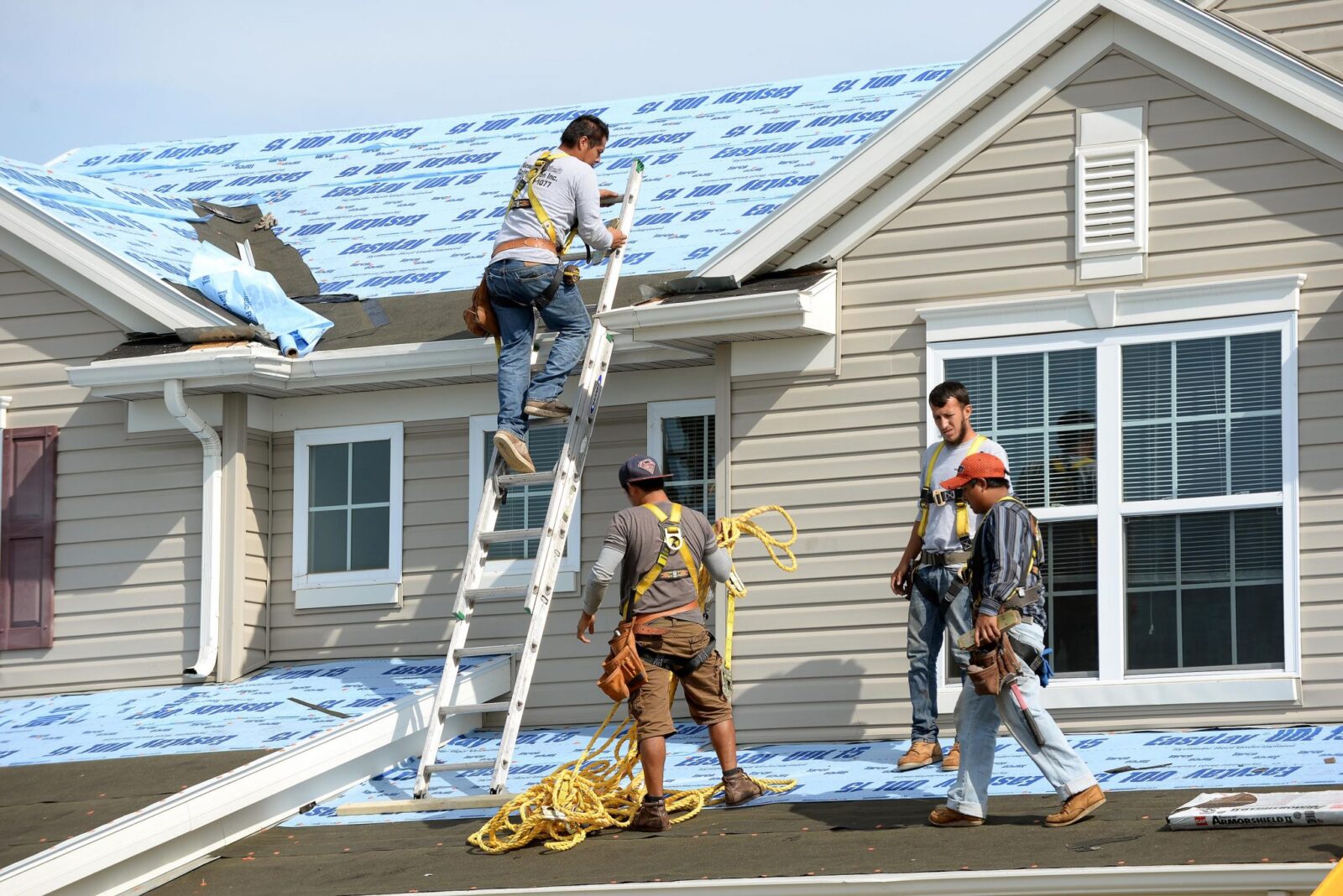
The installation process directly affects how long a roof lasts. Hiring professionals with proven experience ensures a job well done, leading to a longer-lasting roof. Check out how to renovate rental kitchens for related home upgrades.
Regular Maintenance
Regular maintenance, including cleaning gutters, removing debris, and repairing minor damage, can extend the lifespan of your roof significantly.
Signs It May Be Time for a Roof Replacement
Even with the best maintenance, all roofs eventually need replacement. Look for these indicators that your roof may be reaching the end of its lifespan:
Curling or Missing Shingles
If you notice shingles curling, buckling, or completely missing, it’s a sign your roof may need replacement.
Granules in Gutters
When shingles start to wear and age, granules may collect in gutters. This could indicate it’s time to think about a new roof.
Visible Leaks or Water Stains
Leaks and water stains inside your home are clear signs of roof failure. Prompt action can prevent further damage to your home’s interior.
Increased Energy Bills
Rising energy costs may suggest your roof isn’t providing adequate insulation, necessitating a new installation.
What Homeowners Can Do
Regular inspections and proactive maintenance are key strategies for prolonging the life of your roof. Getting professional assessments every few years ensures potential problems are addressed early. More on roof replacement options and costs.
The Role of Technological Advances
Advancements in technology mean that modern roofs often boast innovative features designed to increase longevity and energy efficiency.
- Reflective coatings to reduce heat absorption
- Improved sealants for greater protection against leaks
Explore Roofing Your Options
When considering how long a roof lasts, take time to research and choose a product that best suits your climate, budget, and style preferences. Find more insights on how to renovate stone houses for lasting results.
Conclusion
In summary, the longevity of a roof can vary significantly based on a variety of factors, from material and climate to installation quality and maintenance practices. By staying informed and proactive, homeowners can ensure their roofs serve them well for decades to come.
FAQs
How often should I inspect my roof?
It’s recommended to inspect your roof at least twice a year and after major weather events.
Can I extend the life of my roof?
Yes, regular maintenance and prompt repairs can significantly prolong your roof’s life.
What impacts a roof’s longevity most?
Material quality, weather exposure, and proper installation are key factors.