
What is a Hip Roof? Big Insights, It’s Here!
Are you planning a home renovation and wondering what is a hip roof? You’re in the right place. This article will explore the details of a hip roof and why it’s a popular choice among homeowners. A hip roof, known for its elegant structure, may be the solution you need to modernize and enhance your home’s appearance.
Understanding the Basics of a Hip Roof
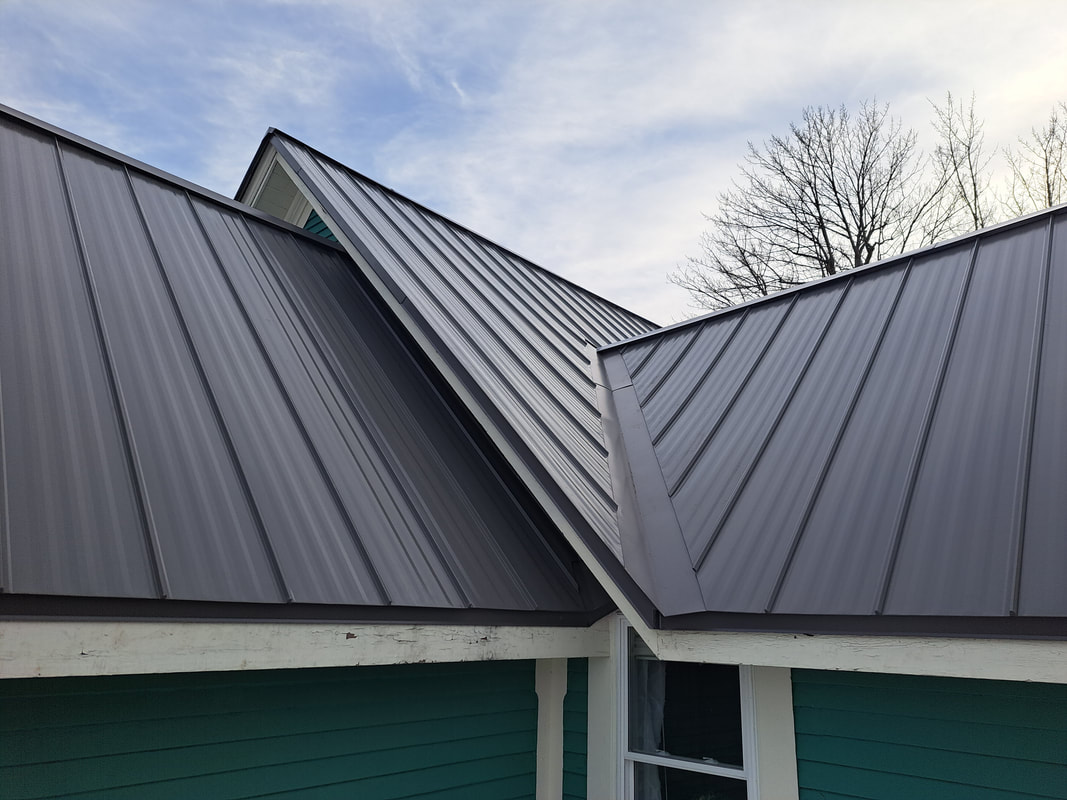
A hip roof is a type of roof where all sides slope downwards to the walls, usually with a gentle slope. This style is distinctly recognized by its four sloped sides and no vertical ends. Hip roofs are often utilized in residential construction for their durability and aesthetic appeal.
Structural Design
The hip roof design includes a uniform incline on all sides, making it suitable for withstanding high winds and heavy rains. The structural integrity provided by the hip roof’s design is a major reason for its widespread approval in various architectural styles.
Advantages of Hip Roofs
There are several benefits associated with hip roofs, including their robustness and capacity to enhance a home’s visual appeal. Lets dive into these advantages:
- Stability and Wind Resistance: Because of its aerodynamic shape, a hip roof is less prone to wind damage.
- Water Drainage: The sloping sides of a hip roof assist in efficient water drainage, preventing leaks and roof damage.
- Appealing Aesthetics: A hip roof provides an elegant look, suitable for any home design.
- Shelter and Insulation: Hip roofs can help optimize insulation thanks to their enclosed sides.
Comparing Hip Roofs to Other Roof Types
Understanding what is a hip roof involves comparing it with other roofing styles to recognize its distinctive characteristics:
Gable Roofs
Unlike hip roofs, gable roofs have two sloped sides, forming a triangular silhouette. While both designs have their merits, hip roofs typically offer better wind resistance.
Mansard Roofs
Similar to the hip roof, mansard roofs have four sides but include two different slopes on each side. This offers additional living or attic space.
Construction Considerations
Before constructing a hip roof, keep the following factors in mind:
- Budget: While they impart great value, hip roofs can be more expensive to build due to their complexity.
- Material Selection: Choose materials that complement the design and withstand regional weather conditions.
- Professional Expertise: Hiring skilled professionals is pivotal for optimal construction.
Popular Materials Used
The materials selected for a hip roof should suit the homes style, local climate, and budget:
- Asphalt Shingles
- Wood Shingles
- Metal Roofs
- Clay Tiles
Modern Applications of Hip Roofs
Hip roofs are flexible, allowing them to be customized to fit any architectural style, whether traditional or contemporary. They can offer a tremendous upgrade to the *resale value* of your property.
Inspirations for Homeowners
Want to see stunning examples of hip roofs? Check out publications like Architectural Digest for tours inside homes with notable roofing designs.
Common Misconceptions
Despite their advantages, there are some misconceptions about hip roofs:
Challenging Maintenance
Many assume that hip roofs are difficult to maintain. However, with their ability to efficiently drain water, they can be easier to maintain than other roof types.
Limited Design Versatility
Contrary to popular belief, hip roofs can be integrated into various home designs, offering diverse aesthetic choices.
Cost Analysis of Hip Roofs
Hip roofs can be more costly than some types of roofs due to the additional materials and labor intensity. However, the investment can be worthwhile, given their longstanding benefits. For more details, consult resources like Forbes’ Analysis on Roof Replacement Costs.
Budget Planning
When planning for a hip roof installation, accurately calculate the expenses related to material and labor. For a more comprehensive budget, consider exploring Budget Planning Tips.
Future Trends with Hip Roofs
Technological advancements continue to shape roof designs. Here are some upcoming trends:
Solar Integration
Solar panels are increasingly being incorporated into hip roof designs to offer energy-saving benefits while maintaining their sleek appearance.
Eco-Friendly Materials
Sustainable materials are gaining momentum, providing eco-conscious homeowners with green roofing options.
Conclusion
Understanding what is a hip roof and its potential benefits can provide homeowners with essential insights for making informed renovation decisions. Whether you are looking to increase your homes durability or aesthetic appeal, a hip roof could be the perfect fit. Ready to make the transformation? Dive into resources and make the most out of this tremendous roofing style.
Frequently Asked Questions
What is a hip roof best suited for?
Hip roofs are ideal for withstanding high winds and heavy rain, making them a suitable choice for homeowners in storm-prone areas. Their aesthetic appeal is a bonus.
Are hip roofs more expensive than gable roofs?
Yes, hip roofs often require more materials and labor, making them generally more expensive than gable roofs. However, the added stability and aesthetic value can justify the cost.
Can solar panels be installed on a hip roof?
Absolutely, solar panels can easily be integrated into hip roofs. The uniform slopes provide ample opportunities for efficient panel placement.