
How to Tie in a Roof to an Existing Roof: Remarkable Approved Tips
Having a safe and appealing home is vital for everyone, and homeowners seeking renovations often face various challenges. One such challenge is understanding how to tie in a roof to an existing roof. This task might sound complex, but with this in-depth guide, it becomes a manageable task. Whether you are a DIY enthusiast or hiring professionals, knowing the basics can save you time and potentially costly mistakes.
Importance of Proper Roof Integration
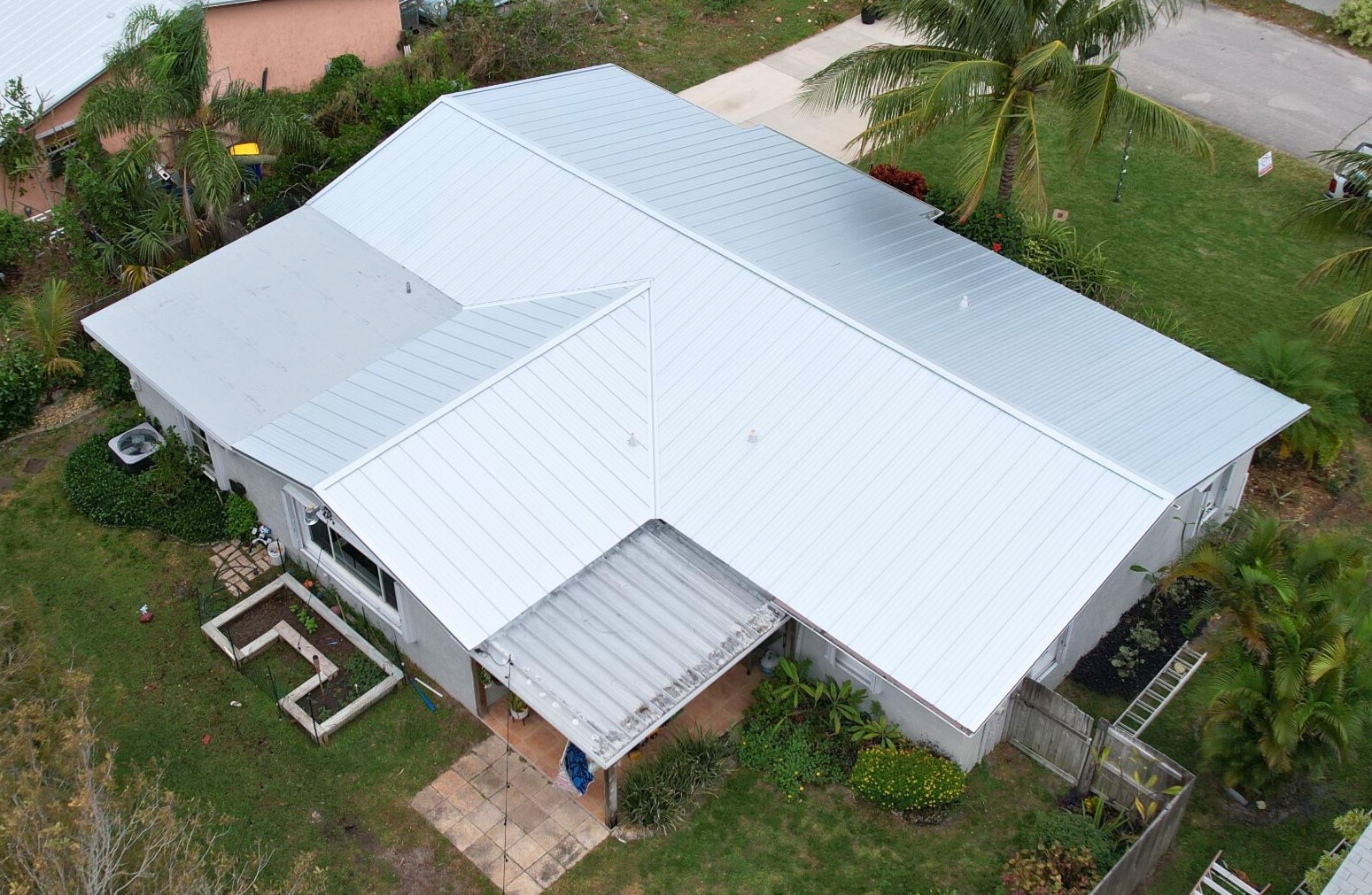
When adding a new roof segment to your home, whether for an extension or a dormer, seamless integration with the existing roof is crucial. Incorrectly incorporating the new section may result in leaks, weakened structural integrity, or aesthetic mismatches. By following approved methods and understanding the construction principles, you can achieve a robust, visually pleasing result.
Pre-Planning and Design
Prior to starting, thorough planning and design are essential components of a successful roofing project. This section will cover the preliminary steps necessary for successful integration.
Assessing the Current Roof Structure
Understanding your current roof’s structure is vital. Evaluate its material, style, and age to ensure the new addition complements it seamlessly. Consulting a professional may provide insight into any limitations you might face.
Selecting Compatible Materials
The importance of choosing materials that blend with your current roofing cannot be overstated. Ensuring material continuity not only contributes to a unified look but also enhances the structural stability. For more details on how far apart roof trusses should be, you can refer to this guide.
Understanding the Key Steps to Integration
Creating a Seamless Connection
The main objective is achieving a watertight seal where the new roof connects to the old one. This involves removing shingles or tiles around the connecting area and installing the necessary flashings and underlayment to ensure no water infiltration occurs.
Incorporating Flashing
Flashing acts as a critical barrier against water penetration. Proper installation around potential weak points such as chimneys, valleys, and joints will safeguard your home against leaks.
Valley Formation
Where two sloped roofs meet, creating a valley is imperative. This isn’t merely about aesthetics; the valley is a critical drainage component that requires appropriate materials to manage water runoff efficiently.
Ensuring Structural Support
The added weight from a new roof segment necessitates additional support. This might involve reinforcing your existing structure or installing new support beams. Exploration of what a fortified roof is can offer insightful ideas on this subject.
Safety Considerations
Working with Heights Safely
Roofing jobs pose inherent safety risks due to the heights involved. Adhering to safety protocols and employing the necessary gear, like harnesses and helmets, ensures that the work is done without compromising well-being.
Handling Weather Effects
One cant control the weather. Thus, choosing dry and mild weather to perform roofing tasks is advisable to avoid mishaps.
Advantages of Professional Help
Tying a roof to an existing roof can be time-consuming and intricate. Utilizing professionals can bring tremendous benefit, offering both speed and a level of expertise that would be challenging for many DIY enthusiasts to match. The average cost to remodel a project often outweighs the potential costs incurred by DIY mistakes.
Budget Considerations
Understanding your costs upfront can prevent sticker shock. Discussing your project with multiple contractors and having a clear budget is paramount for success. Discover how much does it cost to renovate a commercial building in this article.
Technology in Roofing
Adopting Innovative Solutions
Modern technology has introduced compelling solutions for better roofing integration, from advanced design software to enhanced material options.
Maintenance and Longevity
Regular Inspections
Ongoing inspections will ensure longevity and detect potential issues early. This proactive measure is far more economical in the long run.
Weatherproofing
Applying weatherproof seals and coatings can further enhance durability, preventing issues caused by weather changes.
Sustainability and Eco-Friendly Options
Choosing Green Materials
Opting for eco-friendly materials and methods reduces your carbon footprint and often results in energy savings, contributing positively to the environment.
Mother Nature’s Role
Erecting features like rainwater collectors or solar panels when adding new roof sections can also incorporate natural elements effectively into your home.
Inspirational Stories
Homeowners’ Successes
Stories abound of homeowners who have masterfully augmented their homes with brilliance, reflecting clever ideas and inspiring potential projects for others.
Conclusion and Final Thoughts
Achieving a harmonious incorporation of a new roof with an existing one requires understanding, forethought, and sometimes professional skills. It can be a life-changing improvement that adds tremendous value and resilience to your home.
External Resources
For more guidance on roof replacement costs, visit Bob Vila.
FAQs
What Is the Best Time to Tie in a Roof?
The ideal time is late spring or early fall when the weather is usually mild and dry.
How Do I Choose a Professional Roofer?
Look for recommendations, verify credentials, get multiple quotes, and see samples of previous work.
Can I Use Different Materials for the New Roof Section?
While possible, it’s best to match materials for structural integrity and visual continuity.