
What is Joisted Masonry Construction? Here’s Why It’s Big & Terrific
When considering home renovations, many homeowners may hear the term joisted masonry construction. But what is joisted masonry construction? In simple terms, it involves a structural system wherein the building walls are made of masonry, such as brick or stone, and the floors and roof are supported by wooden or metal joists. This method is renowned for its strength and resilience, blending both aesthetics and functionality. Understanding this construction’s structure, benefits, and applications can be a fantastic stepping stone for anyone exploring renovation options, whether for fire-resistant housing or aesthetically timeless buildings.
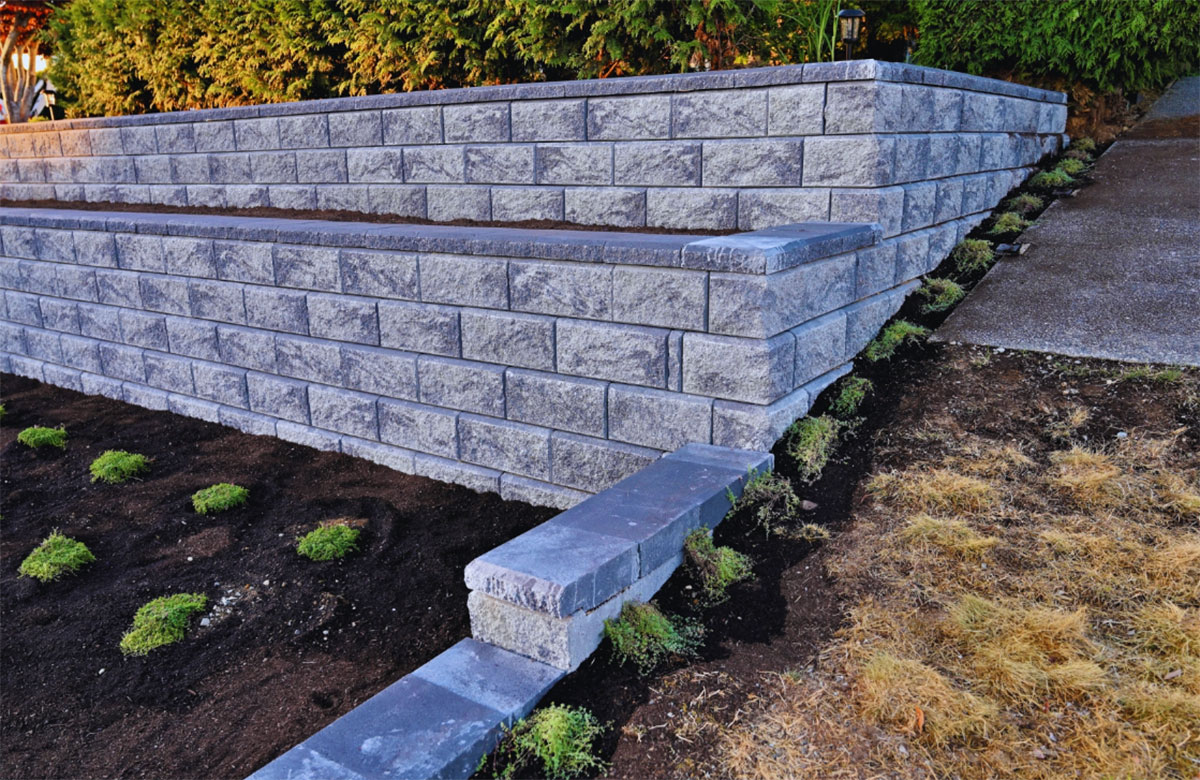
The Big Appeal of Joisted Masonry Construction
The trend of joisted masonry construction is soaring high, captivating homeowners and builders alike. Its appeal comes from combining classic building materials with modern technology. This union offers homeowners the satisfaction of sturdy, long-lasting homes. Moreover, these buildings offer superior fire resistance compared to wood-framed structures, ensuring additional safety and peace of mind.
Core Benefits of Joisted Masonry
Here are some benefits that make joisted masonry construction a preferred choice:
- Fire Resistance: The masonry walls act as a safeguard against fire, enduring higher temperatures, which gives residents more time to evacuate in an emergency.
- Sound Insulation: The density of masonry materials helps in reducing noise transfer between external environments and interior spaces.
- Termite Resistance: Unlike wood, masonry walls are invulnerable to termite attacks, promising longevity and reduced maintenance.
How Joisted Masonry Construction Works
The process starts with building strong, stable masonry walls. Above these walls, joists are carefully laid to support the floors and roof. Joists are structural supporting elements adept at distributing weight evenly, essential for maintaining a building’s structural integrity.
Types of Joists Used
Several types of joists can be employed in joisted masonry construction, each with unique characteristics:
- Wooden Joists: Traditional, lightweight, and affordable, often favored in residential buildings.
- Metal Joists: Typically used in commercial properties due to their superior strength and ability to span greater distances without central supports.
Applications of Joisted Masonry Construction
This form of construction can be found in various building types. Residential homes often adopt joisted masonry designs for durability and aesthetic appeal. Similarly, this technique is prevalent in commercial structures due to its formidable load-bearing capacity.
Renovating with Joisted Masonry
If you are thinking about renovating your home or even specific elements like your fireplace, incorporating joisted masonry construction may offer the durability and aesthetic appeal you need. Learning about these techniques can be particularly beneficial when planning long-lasting home improvements.
Joisted Masonry in Modern Architecture
Modern architects are continually revamping this traditional method with creative designs and innovative materials. This construction technique seamlessly aligns with contemporary tastes, ensuring buildings are both elegant and resilient.
How to Begin a Renovation Project
For homeowners looking to start a renovation project incorporating joisted masonry, it’s crucial to work with experienced professionals. Experienced builders will ensure that the resonance of traditional masonry is upheld while integrating modern comforts.
To get started, you might want to read more about renovation techniques that are applicable to joisted masonry.
Future of Joisted Masonry Construction
With advancements in construction technology and materials, joisted masonry is expected to gain even more prominence. Builders are continually exploring new materials and methods to further enhance the benefits of this robust, reliable construction technique.
Environmental Benefits
Masonry materials often have environmentally friendly qualities such as sustainability and durability. As more attention is directed towards green practices within construction, joisted masonry construction has a valuable role.
For more curated information on masonry, consider visiting the Freemasonry page.
Important Considerations Before You Start
Before beginning a project with joisted masonry, a comprehensive review of design needs and budget is essential. Consider all aspects, including fire safety, insulation qualities, and local building codes, to ensure a successful construction or renovation endeavor.
Common Challenges
With every construction method, challenges such as material costs and labor can arise. In joisted masonry, the cost of skilled labor and quality materials is a factor but results in a lasting, beautiful outcome.
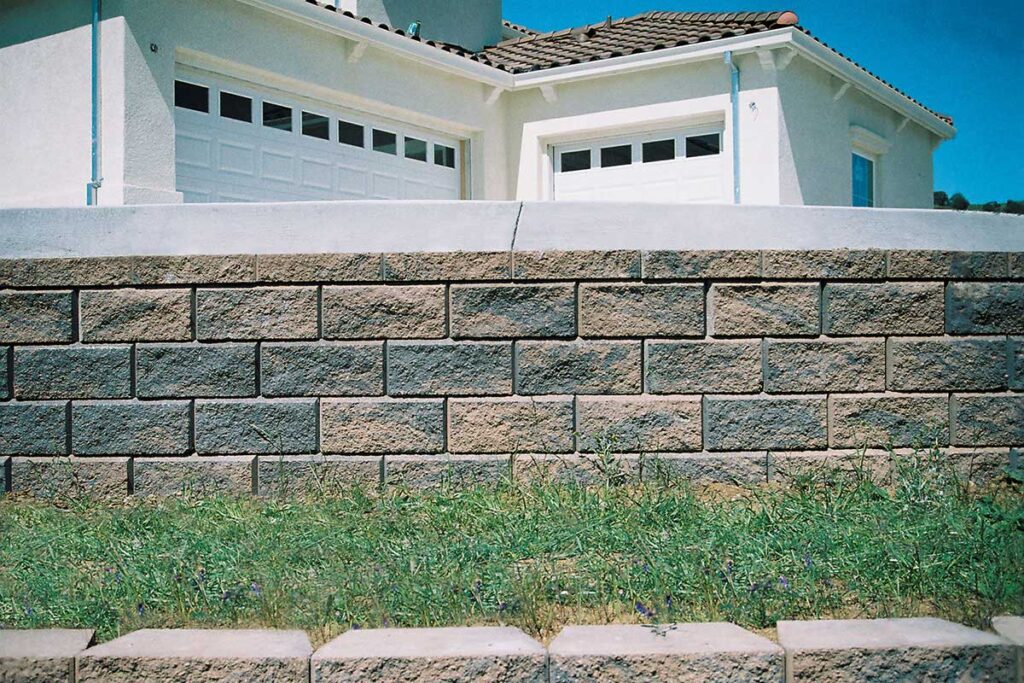
FAQ about Joisted Masonry Construction
What does joisted masonry mean?
Joisted masonry refers to buildings with masonry walls and either wood or metal joists that support the floors and roof.
Is joisted masonry construction expensive?
While potentially more costly than basic wood framing techniques, joisted masonry provides superior durability, fire resistance, and strength.
Can I use joisted masonry for renovations?
Yes, incorporating joisted masonry in renovations can heighten a building’s resilience and aesthetic appeal, as highlighted in projects like old stairs renovation.
This article contains affiliate links. We may earn a commission at no extra cost to you.