
What is Masonry Sand Used for? Big Guide Approved
The question of what is masonry sand used for is not uncommon among homeowners embarking on home improvement projects. This versatile material, often overlooked, plays a significant role in various construction and landscaping tasks. But what exactly makes it so special?
Masonry sand is a type of fine aggregate derived from natural sources, carefully processed to achieve its distinctive texture. Known for its fine, uniform particle size, masonry sand is ideal for a variety of applications that require a smooth, aesthetically pleasing finish. As we delve deeper, you’ll discover why it’s here as a crucial component in many projects.
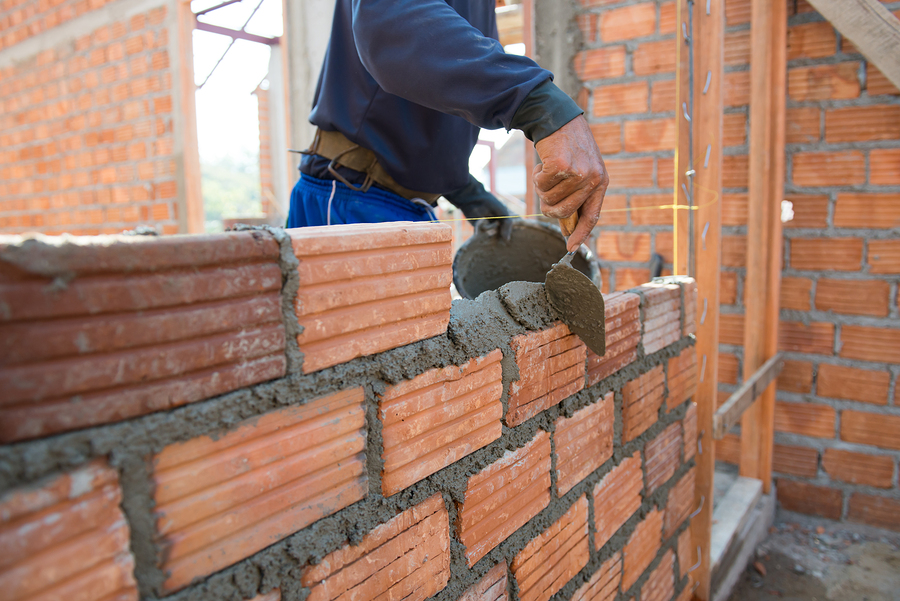
The Role of Masonry Sand in Project Completion
1. Essential in Concrete Mixes
Masonry sand serves as a key ingredient in concrete mixes. Its fine particles ensure a smooth texture, providing the perfect finish for concrete structures. The sand’s smoothness and consistency help the concrete to set evenly, reducing cracks and ensuring durability.
2. Enhancing Aesthetic with Stucco
For homeowners looking to improve their home’s exterior, masonry sand is a crucial companion in stucco applications. It contributes to the durability and aesthetic appeal of the stucco finish, ensuring a pristine surface free of blemishes.
3. Perfect for Mortar Mixes
Mortar mixes benefit greatly from the inclusion of masonry sand. Its uniform particles provide the ideal texture for bonding bricks and stones, ensuring a strong and long-lasting connection. This attribute proves particularly beneficial in creating attractive and resilient wall structures. Learn more about the use of bricks in masonry here.
Landscaping and Recreational Applications
4. Beautifying with Sandboxes
In landscaping, masonry sand finds its place in creating delightful play areas like sandboxes. Its fine particles make it soft and safe for children, offering a fun and secure environment for play.
5. Building the Perfect Volleyball Court
Volleyball courts require a special kind of sand to ensure safety and performance. Masonry sand is the perfect choice due to its qualities that provide a balance between softness and firmness, minimizing injury risks during play.
6. Creating Stunning Pool Surrounds
When designing the area around a swimming pool, masonry sand offers a stable and aesthetically pleasing base. It provides enhanced traction and complements various paving materials, enhancing the overall appeal of the space.
The Construction Industry’s Dependence on Masonry Sand
7. Foundation and Structural Work
In the realm of construction, masonry sand plays a pivotal role in foundation work. Its fine consistency ensures proper leveling and compaction, vital for creating stable structures.
8. Crafting Beautiful Concrete Pavers
Concrete pavers made using masonry sand offer both durability and aesthetic appeal. These pavers are commonly used in driveways, walkways, and patios, providing a solid yet attractive surface.
9. Reliable in Roofing Projects
While it may not be the first material that comes to mind when thinking about roofing, masonry sand is often used in flat roofing projects. Its fine particles complement roofing materials, ensuring a watertight seal.
Residential and Commercial Renovation Applications
10. Renovating with Precision in Tiling
Masonry sand is invaluable in tiling projects. Its fine grains help achieve smooth surfaces, offering a flawless base for laying tiles. Learn more about precision in renovation here.
11. Ideal for Brickwork and Stone Projects
In both residential and commercial settings, masonry sand is essential for brickwork and stone projects. Its fine texture supports the alignment and stability of bricks and stones, ensuring stunning results.
12. Key in Plastering Innovations
Plastering is another realm where masonry sand shines. Its particles allow for a smooth application, enhancing the durability and appearance of the plastered surface.
Exploring Further Applications
13. Stabilizing with Masonry Works
In masonry works, this sand acts as a stabilizing agent. Its fine and even texture helps maintain the integrity of structures, making it indispensable in architectural projects. For insights on non-combustible properties, click here.
14. Gardening and Lawns Enhancement
In gardening, masonry sand aids in improving soil drainage. It helps in aerating the soil, ensuring healthy growth of plants and even lawns.
15. Industrial Considerations
Industries also utilize masonry sand in various manufacturing processes. Its consistent particle size is beneficial in producing quality industrial products, ensuring high precision in manufacturing.
Conclusion
Masonry sand is indeed a versatile player in both construction and landscaping projects. Whether it’s providing a flawless finish to a plaster, enhancing the durability of a sidewalk, or creating a safe and fun-filled sandbox, its applications are both diverse and indispensable. Homeowners and builders alike can rely on masonry sand to deliver tremendous results that meet and often exceed expectations.
FAQs
What makes masonry sand different from regular sand?
Unlike regular sand, masonry sand is processed to achieve a fine texture, making it suitable for applications requiring a smooth finish.
Can masonry sand be used in landscaping?
Yes, it is extensively used in landscaping for creating playgrounds, laying paving stones, and improving soil conditions.
Is masonry sand safe for play areas?
Absolutely, it is safe for play areas like sandboxes and volleyball courts due to its soft and fine texture.
This article contains affiliate links. We may earn a commission at no extra cost to you.