
Understanding Masonry Veneer Construction Type: An Insightful Guide
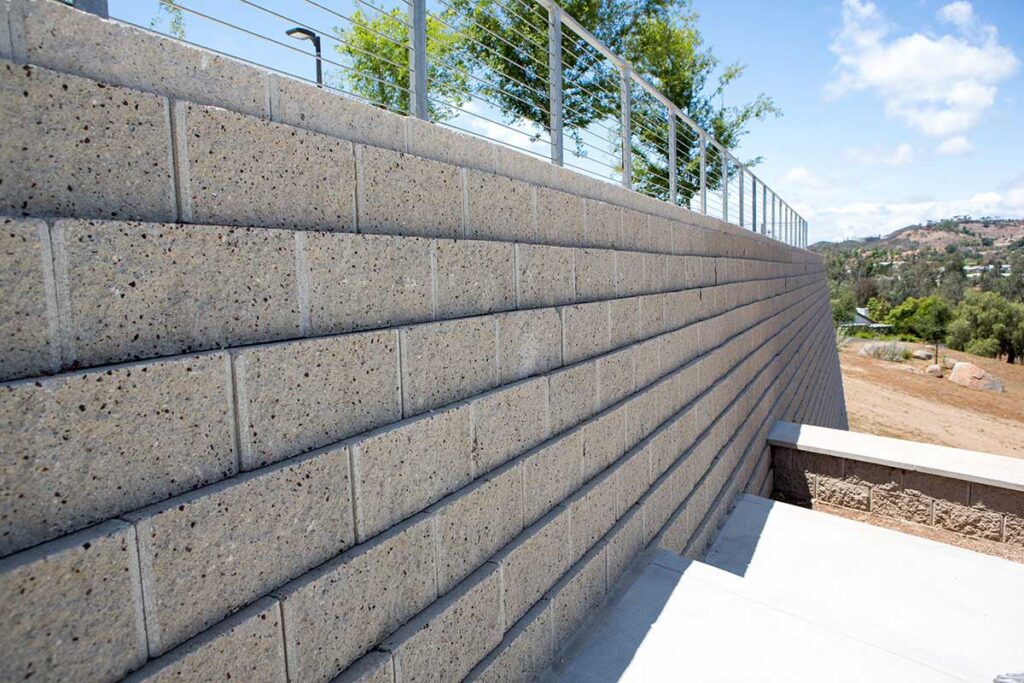
The masonry veneer construction type is a popular choice among homeowners seeking aesthetic appeal combined with durability. Often confused with solid masonry, this construction type involves a single non-structural external layer of masonry or stone placed over another surface, like wood or metal. Understanding what is masonry veneer construction type is crucial for anyone considering renovations, as it offers numerous benefits and styling options.
Introduction to Masonry Veneer
Masonry veneer provides the visual appeal of a solid masonry structure at a fraction of the cost and weight. Unlike solid masonry which is self-supporting, a veneer system relies on a supportive framework that holds the veneer in place.
The Benefits of Masonry Veneer
Cost-Effectiveness
The reduced weight of masonry veneer often translates to lesser material and installation costs, making it a budget-friendly alternative for affordable renovations.
Versatility in Design
This method supports a wide range of aesthetic choices, allowing homeowners to achieve a desired look that complements their existing home design.
Durability and Maintenance
The materials used can often endure weather extremes, providing long-lasting facades with minimal upkeep, further discussed at NY Engineers.
Types of Masonry Veneer Materials
Brick Veneer
Often chosen for its traditional look and feel, brick veneer can mimic the appearance of solid brick architecture.
Stone Veneer
Available in a variety of textures and colors, stone veneer provides elegance and sophistication to homes.
Manufactured Products
Products like cement or composite veneers replicate the look of natural materials at a reduced cost.
Installation Process Overview
The installation involves attaching the veneer to a supporting wall with the help of adhesives or a frame structure. It usually progresses from the bottom upwards.
Comparing Veneer and Solid Masonry
While both offer aesthetic beauty, veneer stands out due to its flexibility and cost benefits. However, solid masonry adds structural value which veneer cannot offer.
Common Misconceptions
One myth is that veneer is less stable, when in fact, properly installed veneer can withstand various elements. Understand the truth about these myths from more insights on masonry masonry types.
Choosing the Right Contractor
Finding a qualified professional ensures correct installation, which is essential for the longevity of your veneer. Look for experienced contractors who understand your region’s specific needs.
Maintenance and Care
Regular inspection and cleaning can maintain the veneers appearance and extend its lifespan. Pay attention to joints that may require resealing over time to prevent water ingress.
Sustainability of Masonry Veneer
Modern masonry veneers offer sustainable options, using locally sourced and environmentally friendly materials.
Weather Resistance
Proper installations are highly weather-resistant, with minimal risk of cracking or deterioration from temperature swings.
Conclusion
Understanding what is masonry veneer construction type offers a glimpse into the advantages that this construction style holds. A properly utilized masonry veneer can transform the aesthetic and value of any home. Whether aiming for a budget renovation or an upscale redesign, masonry veneer is a versatile choice that aligns with various design objectives.
FAQs
Is masonry veneer expensive?
Masonry veneer is generally less expensive than solid masonry due to reduced material costs.
Is masonry veneer as durable as solid masonry?
When installed correctly, masonry veneer can provide excellent durability similar to solid masonry.
Can I install masonry veneer myself?
While it’s possible, hiring a professional ensures proper sealing and support for longevity.
This article contains affiliate links. We may earn a commission at no extra cost to you.