
How to Build a Masonry Heater for Cozy Home Heating
Building a masonry heater might seem like a daunting task at first. However, with careful planning and a thorough understanding of the construction process, any determined homeowner can transform their living space with a cozy and energy-efficient heat source. This guide will walk you through the steps on how to build a masonry heater, providing you with insights into the materials, techniques, and benefits of these unique structures.
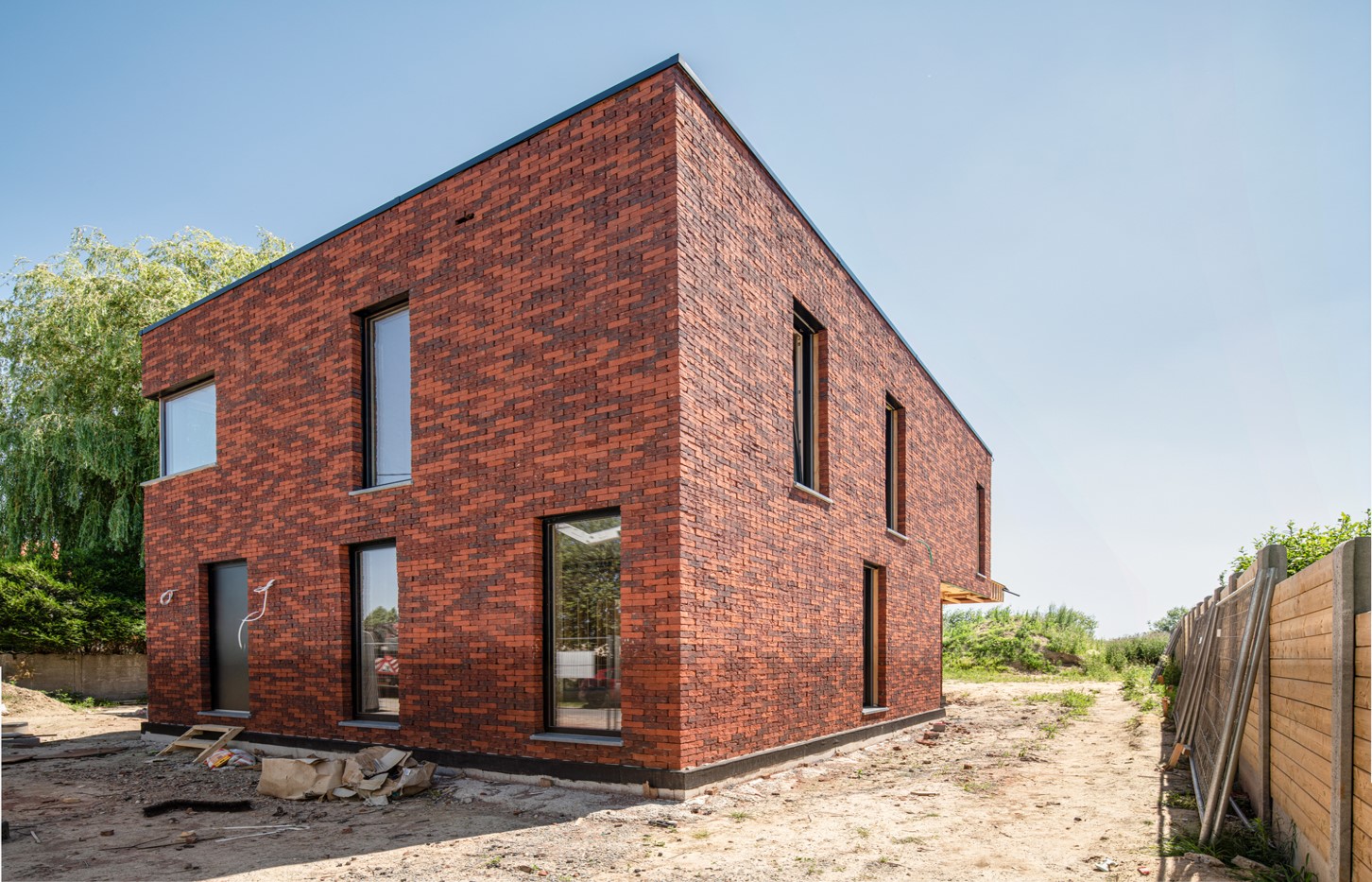
Introduction to Masonry Heaters
Masonry heaters have been used for centuries as a reliable source of heat. Unlike traditional fireplaces, they retain and release heat slowly over time, providing consistent warmth. Their efficiency and sustainability make them an attractive choice for eco-conscious homeowners.
Understanding the Benefits
Before diving into how to build a masonry heater, its important to understand their numerous benefits. These heaters use half as much wood as conventional stoves, minimize air pollution, and can be customized to fit the design of your home.
Materials Needed
Gathering the right materials is a crucial first step. You will need refractory bricks, clay, mortar, and a steel pipe. Its also essential to have the proper tools, including a trowel, level, and saw.
Preparation and Planning
Before construction, consider the location of your heater. It should be central to your home to distribute heat effectively. You’ll also need to plan for adequate space for the heater’s size and ventilation system.
Foundation and Base
Building a strong foundation is essential. The base should be constructed of reinforced concrete to support the weight of the masonry heater.
Building the Core
The core is the heart of your heater. Using refractory bricks, create a chamber for burning wood. This area should be well-insulated to maximize heat retention.
Chimney Construction
The chimney is crucial for smoke release. Ensure it’s tall and wide enough to prevent obstructions and improve air flow. For more tips, check this guide on fireplace renovation.
Finishing Touches
After constructing the main structure, add tiles or stone for aesthetics. Paint or treat surfaces to protect against moisture and wear.
Maintenance Tips
Regularly clean the heater and inspect for cracks or damage. A well-maintained heater is efficient and lasts longer.
Cost Considerations
While initially costly, a masonry heater saves money over time due to reduced energy costs. Consider a detailed budget and explore options for sustainable materials.
Safety Precautions
Always prioritize safety. Follow building codes and guidelines to prevent accidents or fire hazards during and after construction. For more safety insights, visit this detailed masonry guide.
Expert Assistance
If you’re unsure, consult with a professional mason who has experience with masonry heaters. They can offer advice tailored to your home’s needs.
Environmental Impact
Masonry heaters use renewable energy sources, making them an environmentally friendly choice for heating your home. Learn more about this sustainability on masonry benefits.
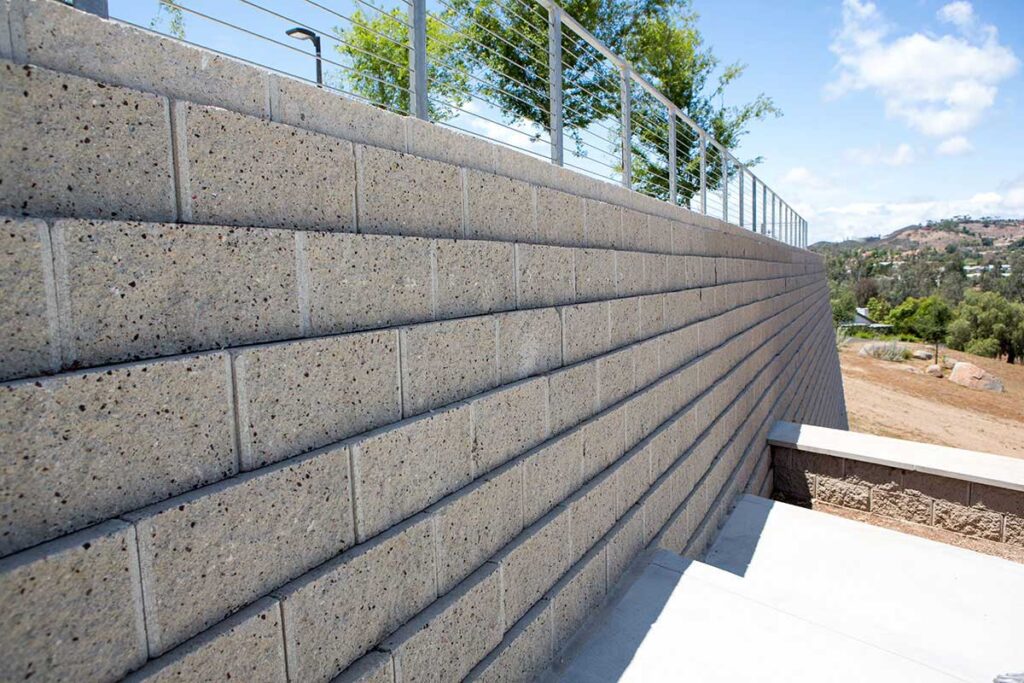
Real-Life Examples
Visit homes with existing masonry heaters to gather ideas and inspiration. Seeing one in action helps visualize the heating efficiency and design possibilities.
Frequently Asked Questions
How long does it take to build a masonry heater? The construction time can vary, typically taking between 2 to 8 weeks depending on complexity and materials.
Can I use regular bricks for a masonry heater? Regular bricks are not recommended. Refractory bricks are specifically designed for high heat resistance.
Do masonry heaters require a lot of maintenance? They require minimal maintenance, usually needing seasonal cleaning and checks for any structural issues.
For more inspiration, you might want to explore fireplace renovation ideas.
Building a masonry heater is a rewarding endeavor that brings warm, sustainable heat to your home. By following these guidelines, you’ll ensure that your heater is constructed safely and efficiently, offering a cozy atmosphere for years to come.
This article contains affiliate links. We may earn a commission at no extra cost to you.