
When Did Masonry Start? Tracing its Origins and Evolution
The question ‘When did masonry start?’ often intrigues enthusiasts and homeowners eager to add a historical touch to their renovation projects. To truly appreciate the beauty and durability of masonry, it’s essential to delve into its long and storied history. As a homeowner seeking renovations, understanding the roots and evolution of masonry can inspire you and influence your design choices.
Masonry is one of the oldest known forms of construction, spanning centuries and cultures. Discovering the history of masonry involves journeying through time to unearth the evolution of this ancient craft, which continues to play a pivotal role in modern architecture and home improvement.
Early Beginnings of Masonry
The Dawn of Building with Stone
The origins of masonry date back to the prehistoric age, when early humans discovered the potential of stones stacked together to form structures. This rudimentary form of construction laid the foundation for modern masonry techniques.
Advancements in Ancient Egypt
The Egyptians were pioneers in refining masonry techniques, utilizing stones to construct pyramids and temples that still stand today. Their innovation in stone metallurgy marked a significant leap forward, influencing cultures to come.
Masonry in Classical Civilizations
The Roman Empire’s Legacy
The Romans mastered the art of masonry, introducing advanced techniques and materials like concrete and brick. Their structures, such as the Colosseum and aqueducts, exemplify the durability and aesthetics that masonry could achieve.
Influence of Greek Architecture
Greek contributions to masonry are evident in their magnificent temples and civic buildings. Their focus on symmetry and proportion exemplifies how aesthetic values were integrated with structural integrity.
The Expansion of Masonry in Medieval Times
The Rise of Gothic Architecture
The Gothic era saw a tremendous evolution in masonry with the construction of cathedrals featuring elaborate stone carvings and stained glass windows. The soaring vaults and intricate details defined this period, leaving a lasting mark on architectural design.
Masonry Guilds and Craftsmen
The establishment of masonry guilds during the Middle Ages played a crucial role in sharing skills and maintaining high construction standards. Skilled masons were in high demand, leading to the proliferation of masonry throughout Europe.
Masonry in the Modern Era
Industrial Revolution and Technological Advancements
The Industrial Revolution introduced new materials and techniques, such as reinforced concrete, that expanded the possibilities of masonry. This period marked a transition from traditional craft to more industrialized methods.
Contemporary Use of Masonry in Construction
Today, masonry continues to evolve, blending traditional techniques with modern technology to create energy-efficient and sustainable home designs. This evolution is particularly appealing for homeowners aiming to incorporate timeless beauty into their renovations.
Understanding Masonry’s Relevance Today
Masonry in Residential Renovations
For homeowners looking to remodel, the durability and aesthetic appeal of masonry make it an ideal choice. Whether updating a fireplace, as discussed here, or enhancing your backyard features, masonry offers endless possibilities.
Choosing the Right Masonry Materials
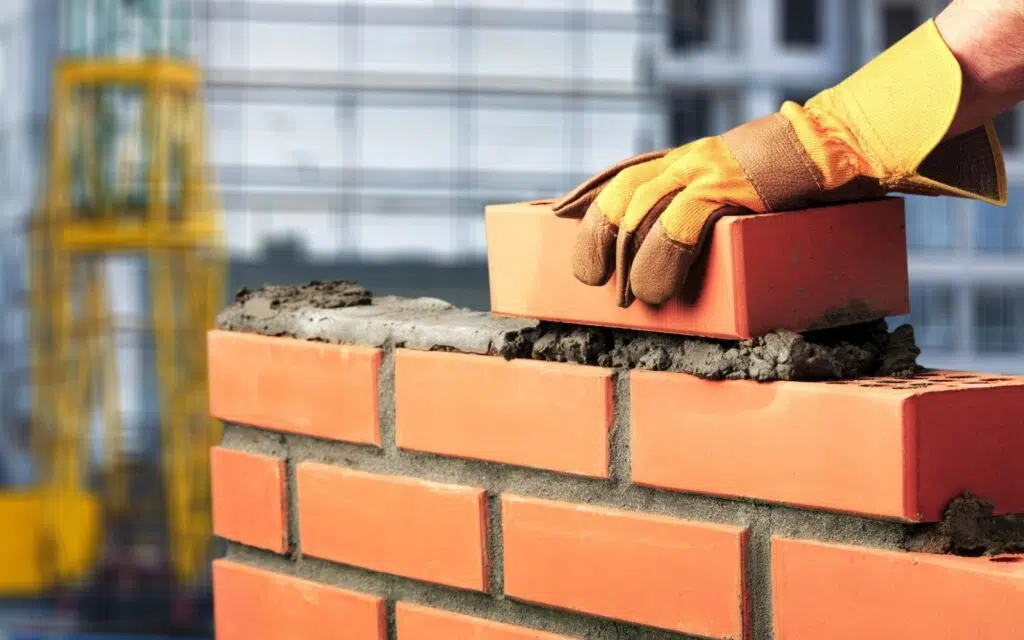
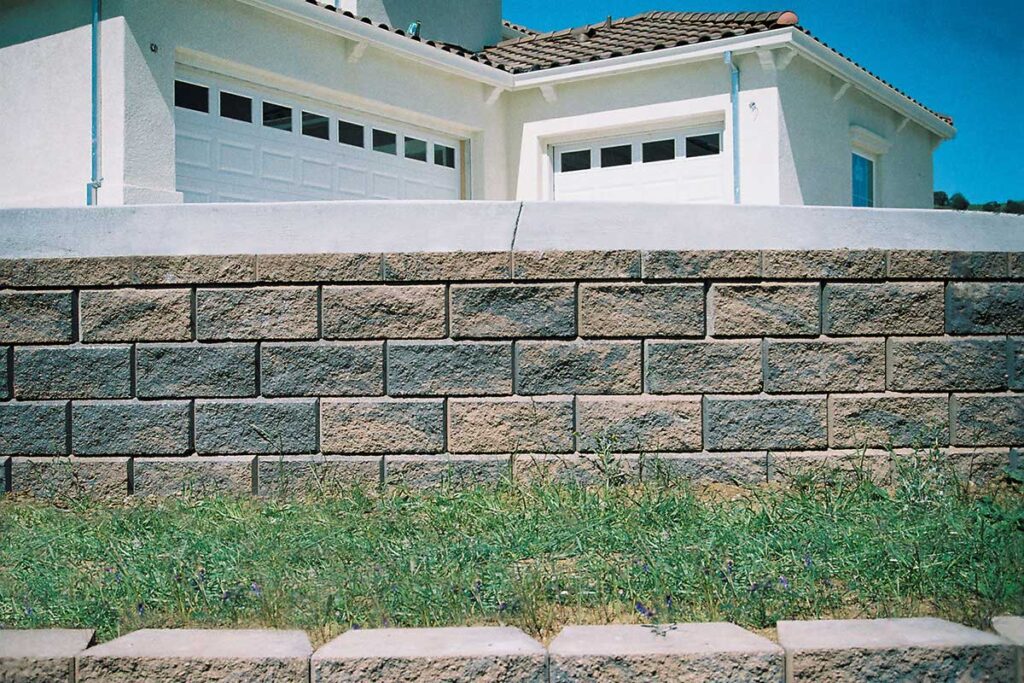
Understanding the variety of materials availablesuch as bricks, stones, and concrete blocksallows homeowners to choose the best fit for their style and climate. Each material brings unique properties to construction, offering designers flexibility.
Conclusion: The Timeless Appeal of Masonry
The journey to answer ‘when did masonry start?’ reveals not just an ancient art but a dynamic field that has adapted to technological and aesthetic changes over millennia. As homeowners embark on renovation projects, the rich legacy of masonry offers inspiration and practical solutions that blend the old with the new.
External Resources
For a closer look at the modern applications of masonry and its importance, consider referring to industry resources such as ScienceDirect.
FAQ Section
1. What are the main types of masonry?
Masonry primarily includes brick, stone, and concrete block construction, each offering different properties in terms of durability, aesthetics, and thermal performance.
2. Why is masonry considered non-combustible?
Due to their composition, masonry materials, such as bricks and stones, resist fire, making them a preferred choice in safety-conscious designs.
3. How does masonry contribute to eco-friendly building?
Masonry contributes to sustainable building through its durability, which reduces the need for frequent repairs or replacements, and its high thermal mass, which aids energy efficiency.
This article contains affiliate links. We may earn a commission at no extra cost to you.