
How to Get into Stone Masonry: A Comprehensive Guide for Aspiring Masons
Entering the world of stone masonry can be a fulfilling career choice. Many marvel at the craft, but few truly understand what it takes to become a skilled mason. This guide will walk you through the essential steps on how to get into stone masonry, providing a pathway for those passionate about stone work.
Understanding Stone Masonry
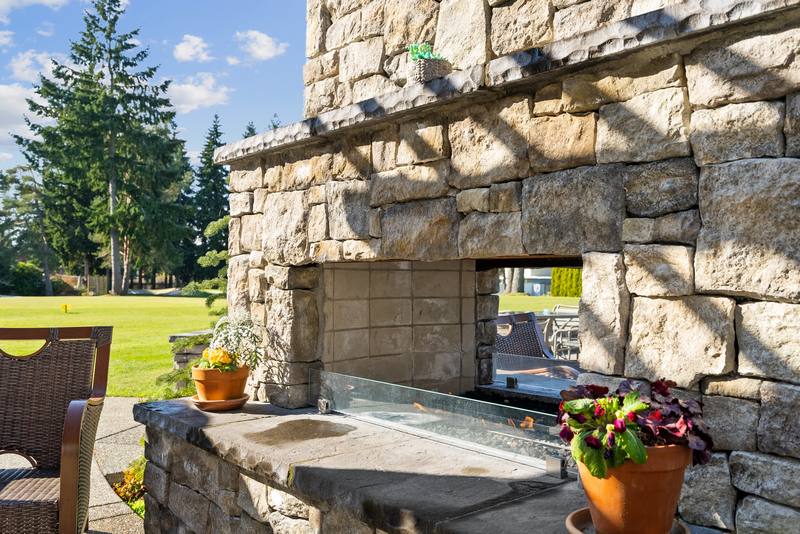
Before diving into the processes, its important to understand what stone masonry is. Often compared to an art, this craft involves constructing structures using stones and mortar. Stone masons work on a variety of projects, from small home renovations to significant historical restorations, calling for a balance of strength, precision, and creativity.
Types of Stone Masonry
1. Rubble Masonry
This type involves using rough, undressed stones. It’s commonly employed in constructing walls and can be further divided into dry rubble masonry, where no mortar is used, and wet rubble masonry, which uses mortar.
2. Ashlar Masonry
Unlike rubble masonry, ashlar masonry uses stones that have been precisely cut into shapes. Generally, this form is reserved for projects requiring a refined surface, such as monuments and high-end buildings.
Starting Your Stone Masonry Career
1. Education and Training
While formal education isn’t always required, attending a trade school provides foundational skills in stone masonry. Courses usually cover blueprint reading, arithmetic for masons, and the correct use of masonry tools.
2. Apprenticeship
An apprenticeship offers practical experience under the guidance of experienced masons. This hands-on approach is crucial, accounting for most of a mason’s training.
3. Certification and Licensing
Depending on your location, you might need to acquire certification or a license to work as a professional mason. Organizations such as the Home Advisor offer resources and guidance on getting started.
The Skills Required
1. Physical Strength and Stamina
Working with stone is physically demanding, requiring not only strength but also stamina for long hours of work.
2. Attention to Detail
Masons must have an acute eye for detail to ensure structures are safe and aesthetically pleasing.
3. Problem-Solving Skills
As a mason, you’ll need to troubleshoot issues as they arise, from design challenges to unexpected environmental conditions.
Tools of the Trade
A successful mason uses a variety of tools, each with a specific purpose. Learn more about essential tools by visiting this article on drilling into masonry.
Project Opportunities
1. Historical Restorations
Masons often engage in restoring historical buildings, which requires specific skills to retain the building’s original character while ensuring modern standards of safety.
2. Custom Stone Features
From custom fireplaces to garden paths, stone masonry allows for creative expression in home design. Explore options for home renovations at renovating your backyard.
The Future of Stone Masonry
With urbanization and renewed interest in sustainable materials, the demand for skilled masons is projected to rise. Now is the perfect time to learn how to get into stone masonry and carve your niche.

FAQs
1. What is the average salary for stone masons?
The salary varies based on location and experience, but according to industry sources, the average annual income ranges from $40,000 to $60,000.
2. Can I work globally as a mason?
Yes, with certification and experience, masons are often in demand worldwide, especially in areas rich in stone building heritage.
3. Do I need any special equipment to start learning?
Basic tools like chisels and measuring devices are essential. As you gain experience, you’ll invest in more specialized tools.
If you’re interested in diving deeper into the advantages and nuances of masonry, check out this informative piece on the Benefits of Masonry Construction.
This article contains affiliate links. We may earn a commission at no extra cost to you.