
How Does Heat Affect Masonry? Learn its Big Impact Today
Are you considering a home renovation project involving masonry? As a homeowner, it’s essential to know how does heat affect masonry. The impact of heat on masonry plays a crucial role in ensuring your construction materials stand the test of time. Understanding these dynamics can help you make informed decisions for projects like revitalizing fireplaces, upgrading exteriors, or even adding stunning stonework to your backyard.
Masonry, renowned for its durability and strength, is not immune to the forces of nature. Heat, among other factors, can significantly impact its integrity and longevity. In the first two paragraphs, we’ll dig into the primary keyword how does heat affect masonry and explore how homeowners can navigate this challenge when planning their renovations.
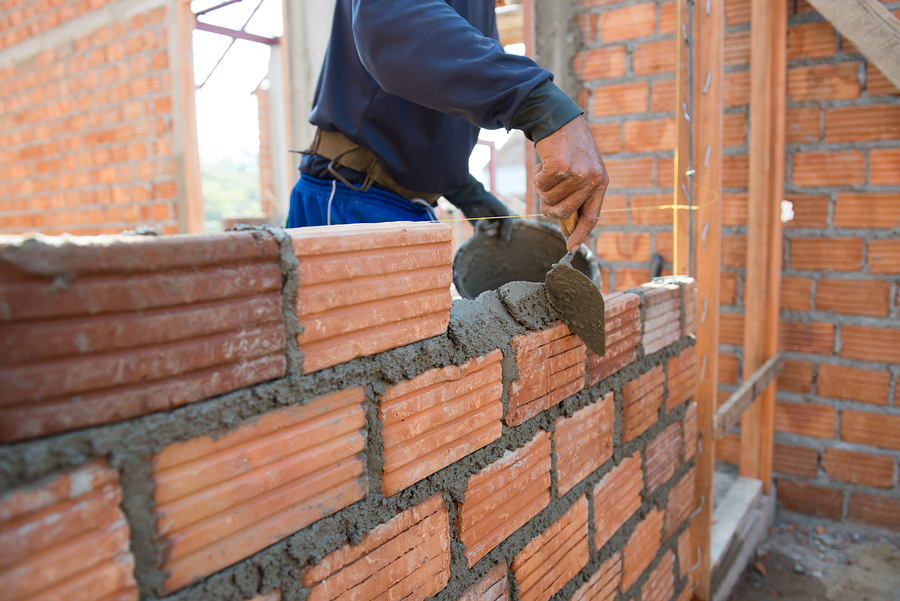
The Science Behind Heat and Masonry
Before diving deeper, understanding what masonry is can be helpful. [Learn More Here](https://skyremodelingdesignandbuild.com/what-is-masonry-non-combustible/) about masonry’s non-combustible properties. Masonry material, including bricks, stones, and concrete blocks, naturally expands and contracts with temperature changes. Here’s where the mischief starts: this constant size alteration can cause significant structural issues over time.
The Thermal Expansion Effect
Thermal expansion is a technical term that refers to how materials change size with temperature. Its a natural property of construction materials. In masonry, this means that when it’s hot outside, your brick or concrete joins may expand. Unfortunately, when they cool down, they contract, causing stress on the material. This process can potentially lead to cracks and eventual weakness if left unchecked.
Assessing Heat’s Tremendous Impact on Masonry
Cracks and Damage
The most noticeable impact of sustained heat exposure is the occurrence of cracks in your masonry structure. These cracks can be as minor as hairline fractures or as significant as full-fledged splits in the masonry, which could be detrimental to its structural integrity.
Reduced Load Bearing Capacity
As your masonry structure undergoes thermal expansion and contractions, its load-bearing capacity might reduce. This could be risky, especially in large buildings or structures that rely heavily on the strength of their masonry construction.
Discoloration and Aesthetic Changes
Heat doesn’t only affect the structural soundness of masonry. Over time, the aesthetic appeal of your brick and stonework could be compromised. Continuous exposure to heat could lead to discoloration and surface degradation.
Mitigating Heats Impact on Masonry
Given its potential risks, knowing measures to minimize masonry heat effects is crucial. Upgrading or repairing masonry structures? Consider these tips:
Choose the Right Materials
When planning a project, opt for materials designed to withstand extreme temperatures. Discuss with your contractor possibilities such as advanced mortar mixes that better tolerate thermal expansion.
Regular Maintenance and Inspection
Few things are as vital as the consistent inspection and maintenance of your masonry structures. Regular checks can help catch any early signs of thermal damage, such as minor cracks or discoloration. See how you can [revitalize your old fireplaces](https://skyremodelingdesignandbuild.com/how-to-renovate-an-old-fireplace/).
Delighted by Technologys Role in Modern Masonry
Today’s tech advancements play a significant role in protecting masonry from heat. New coatings and sealants reduce water absorption and help maintain warmth, thus reducing stress from thermal expansion. Invest in these modern solutions to benefit from enhanced masonry durability.
Sensational Coatings and Sealants
Invest in high-grade coatings or sealants that protect the integrity of your masonry structures. They work by reducing water absorption, hence decreasing the likelihood of structural damage when subjected to heat variations.
Major Innovations in Construction Materials
Recent innovations in masonry construction focus on creating materials that naturally resist heat damage. Discuss these improvements with your builder and opt for systems incorporating this technology in your renovation plans.
Embracing Long-term Solutions
Your mission as a homeowner doesn’t stop at just addressing the present impact of heat. For a long-term solution, consider implementing new technologies while maintaining traditional structures. Learn about exciting ways to [revamp your screened-in porches](https://skyremodelingdesignandbuild.com/how-to-renovate-a-screened-in-porch/) as part of your renovation.
Masonry and Heat: Relevant SEO Keywords
- Stonework and Heat
- Bricks and Thermal Expansion
- Concrete and Heat Resilience
- Reducing Masonry Cracks
- Aesthetic Impact of Heat
- Heat-Resistant Masonry
Knowing these keywords can help you dive deeper into the core issues and discover solutions uniquely suited to your home and region’s climate conditions.
Consider exploring [reliable sources](https://www.sciencedirect.com/topics/engineering/masonry-structure) that delve deeper into masonry’s science and its interplay with temperature. This detailed guide will offer a technical understanding that complements the insights outlined here.
FAQ Section
1. How often should I inspect my masonry for heat damage?
Inspections should be conducted bi-annually, ideally at the start and the end of summer. Regular checks ensure early detection of any damage caused by heat exposure.
2. Can heat damage lead to masonry failure?
Yes, prolonged exposure to extreme temperatures without proper maintenance can weaken masonry structures, potentially leading to failures.
3. Are there alternative materials better equipped to handle heat than traditional masonry?
Yes, innovations in construction materials have introduced more heat-resilient options. Discuss these with your contractor to explore suitable alternatives for your renovations.
This article contains affiliate links. We may earn a commission at no extra cost to you.