
How Much Does It Cost to Renovate a Building? A Big Guide
Renovating a building is an important decision that could bring a whole new look and feel to your property. But, it’s crucial to first understand how much does it cost to renovate a building to ensure that you are well-prepared financially. In this article, we’ll explore the various factors that contribute to the costs of building renovations, from the complexities of the project to the materials used, and everything in between.
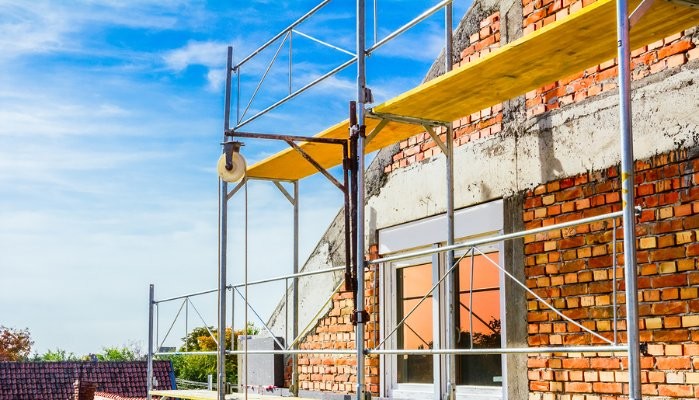
The Importance of Renovating a Building
Renovating a building is more than just improving its aesthetic appeal. It includes upgrading facilities, ensuring safety, and potentially increasing its market value. Before you dive into renovations, it’s crucial to understand all the factors involved and how each will impact your overall budget.
Factors Influencing Renovation Costs
Many factors influence the cost of renovating a building. These include the scope of the renovation, location, cost of materials, and design complexity. Let’s take a deeper look at these variables to get a better idea of how much does it cost to renovate a building.
The Scope of the Renovation Project
The size and complexity of a renovation project will greatly influence the total costs. Full-scale renovations involving structural changes, such as removing walls or adding new spaces, can be expensive. Conversely, smaller projects such as updating the decor or refurbishing a few rooms will be more budget-friendly.
The Size of the Building
The physical size of the building also affects the cost. Larger buildings require more materials and labor to renovate. This is why it’s important to determine the exact scale of your renovation project before you begin.
Location and Material Costs
The local costs of labor and materials can significantly affect your renovation budget. Urban areas may have higher costs due to increased demand, while rural areas may offer more affordable solutions. Additionally, the cost of high-quality materials might vary between suppliers, making it essential to shop around for the best deals.
Design Complexity
When planning your renovation, consider the complexity of the design. Custom designs often carry higher costs due to the need for specialized labor and specific materials. Balancing your vision with financial feasibility is key.
Additional Costs to Consider
Besides the obvious expenses, other hidden costs can arise during building renovations. Being aware of these additional costs will help you avoid budget overruns.
Permits and Approvals
In most cases, you’ll need various permits and approvals from local authorities before beginning your renovation. The cost and process of obtaining these permits vary depending on location and project complexity.
Unforeseen Issues
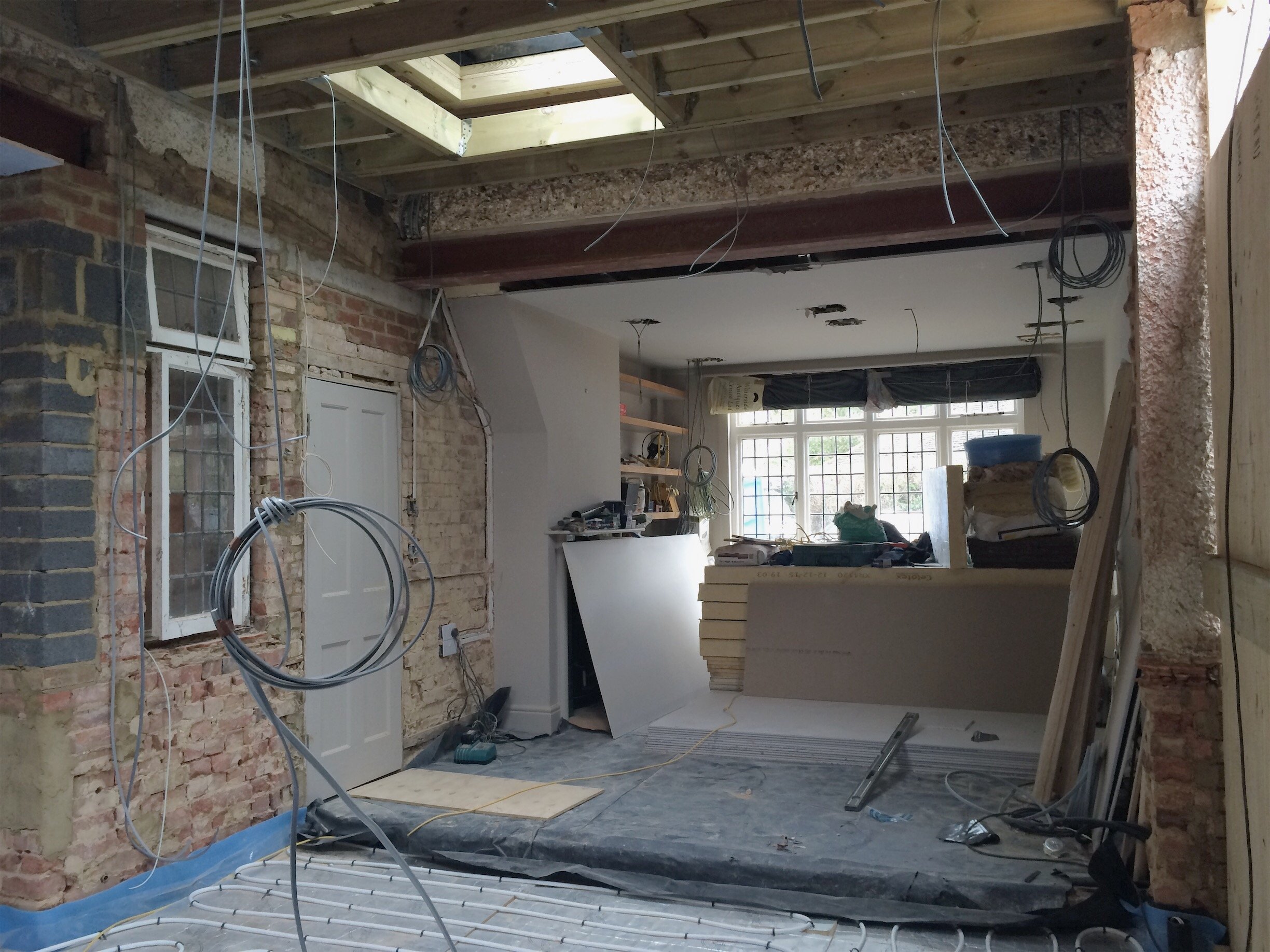
During the renovation process, you may uncover hidden issues such as structural damage or outdated wiring. Being prepared for unforeseen expenses by setting aside a contingency budget will save you from unexpected financial strain.
Smart Tips to Save Money
Renovations can be costly, but there are ways to save money without compromising on quality. Here are some tips for cost-effective renovations:
Shop Wisely for Materials
Take time to compare prices and ensure you are getting the best deals on materials. Buying in bulk or choosing local suppliers can also result in significant savings.
Plan and Prioritize
Carefully planning and prioritizing your renovation goals will help you focus on what’s most important for your project. Break the project into phases if necessary and tackle the most essential tasks first.
How to Choose the Right Contractor
Choosing the right contractor is crucial in ensuring a satisfactory renovation. Here’s what to consider:
Experience and Reputation
Research thoroughly to find a contractor with substantial experience and positive reviews. This will help you avoid subpar work and potential errors.
Transparent Communication
Choose a contractor who communicates openly and honestly about costs, timelines, and any potential issues. Transparency will help prevent misunderstandings and ensure a successful renovation.
FAQ
What is the timeline for building renovations?
Depending on the size and complexity of the project, a renovation can take anywhere from a few weeks to several months.
Is it worth it to renovate an old building?
Yes, renovating an old building can preserve its character and improve its value, but it requires careful planning and budgeting.
Should I hire a professional or DIY?
While DIY can save money, hiring a professional ensures quality and compliance with regulations, especially for complex renovations.
In conclusion, understanding how much it does cost to renovate a building before starting your renovation journey can make the process smoother and result in a beautifully updated space. Happy Renovating!