
How Much to Renovate a Second Floor? Big Savings & Costs
Are you considering a major upgrade to your home and wondering how much to renovate a second floor? Renovating an entire floor can be an extensive project, and the cost can vary based on the scope of work and materials used.
The total expense of a second-floor renovation depends on factors such as structural changes, flooring, walls, and even HVAC systems. In this guide, we’ll break down cost estimates and key considerations to help you plan effectively.

Factors Impacting Second Floor Renovation Costs
When determining second-floor remodeling costs, various elements come into play. Here are some of the most crucial factors.
1. Size & Square Footage
The total area of your second floor significantly influences your project’s cost. Larger floors demand more materials and labor.
2. Materials & Finishes
The types of materials you choose for flooring, walls, and fixtures can either reduce or increase costs. High-quality materials like marble or hardwood come at a premium.
3. Structural Changes
If your renovation includes removing walls, reinforcing structural elements, or adding a new staircase, these tasks will add to the final bill.
4. Electrical & Plumbing Work
Upgrading wiring, switches, outlets, and plumbing fixtures costs extra. If you’re moving bathrooms or adding new fixtures, expect higher costs.
5. Contractor Fees
Hiring professionals can ensure the job is done right, but labor costs depend on your location and the complexity of the project.
Estimated Costs for a Second Floor Renovation
Heres what homeowners can expect to pay for various aspects of second-floor remodeling.
Basic Renovation ($20,000 – $50,000)
- Painting & minor repairs
- Flooring replacement
- Basic lighting upgrades
Mid-Range Renovation ($50,000 – $100,000)
- New flooring with high-quality finishes
- Updated electrical and plumbing
- New doors and windows
Luxury Renovation ($100,000+)
- Structural modifications
- Custom-built interiors
- Smart home automation
Cost-Saving Tips for Second Floor Renovations
Renovations can be expensive, but there are ways to keep costs under control.
1. Reuse Existing Features
Instead of replacing everything, consider refurbishing items like wooden floors or cabinetry.
2. Compare Contractor Quotes
Get multiple estimates from contractors to ensure you’re getting the best deal.
3. Choose Cost-Effective Materials
Opt for materials that balance durability and affordability to reduce expenses.
Should You Hire a Professional or DIY?
Deciding whether to hire a contractor or take the DIY route depends on your skill level and project complexity.
When to Hire a Contractor
- Structural modifications are needed
- Electrical or plumbing work is required
- Permits are necessary
When You Can DIY
- Painting and minor repairs
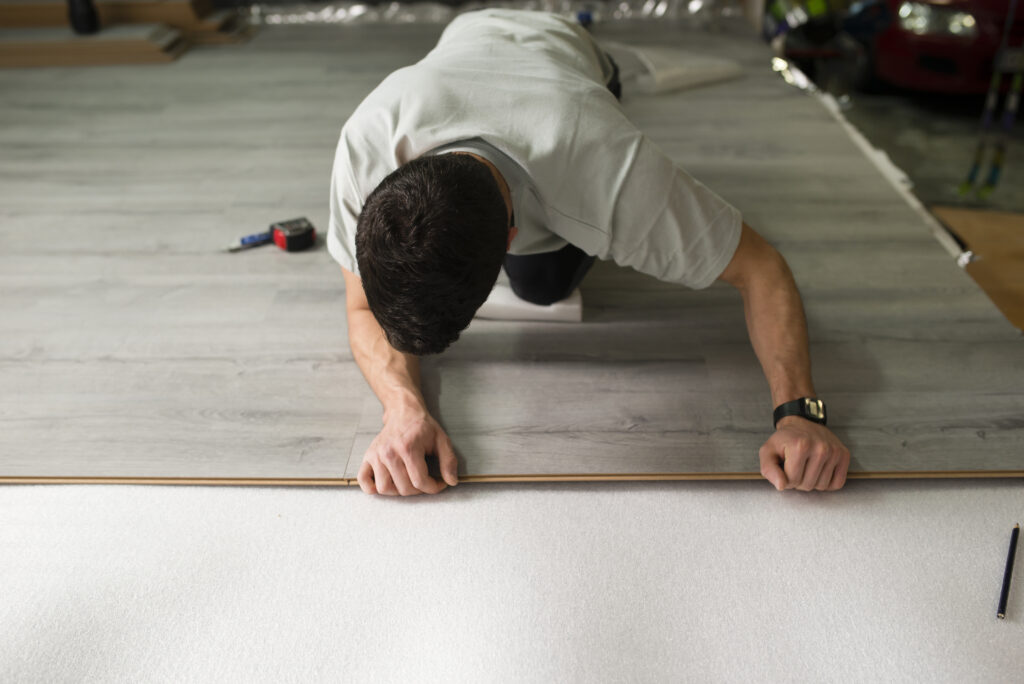
- Installing carpets or laminate flooring
- Updating fixtures and hardware
Final Thoughts
Understanding how much to renovate a second floor is essential for planning a successful project. Whether you’re making minor updates or undertaking a full overhaul, setting a realistic budget and working with professionals can ensure a smooth renovation.
Related Articles
External Resource
FAQs
1. How long does a second-floor renovation take?
The time required depends on the extent of work. A minor renovation may take a few weeks, while major changes may require several months.
2. Do I need a permit for a second-floor renovation?
Yes, many structural changes or additions require permits. Check with local authorities to ensure compliance with building codes.
3. Can I renovate my second floor on a tight budget?
Yes! Focus on cosmetic updates like painting and flooring while avoiding major structural modifications to keep costs low.
This article contains affiliate links. We may earn a commission at no extra cost to you.