
How Much Weight Can a Roof Hold? Delighted Big Insights
When contemplating home renovations, a common question arises: how much weight can a roof hold? This query not only affects safety but also influences potential design choices for your home. Understanding roof weight capacity is crucial, especially if you are considering adding a rooftop garden, solar panels, or even snow accumulation in colder regions.
The Basics of Roof Load Capacity
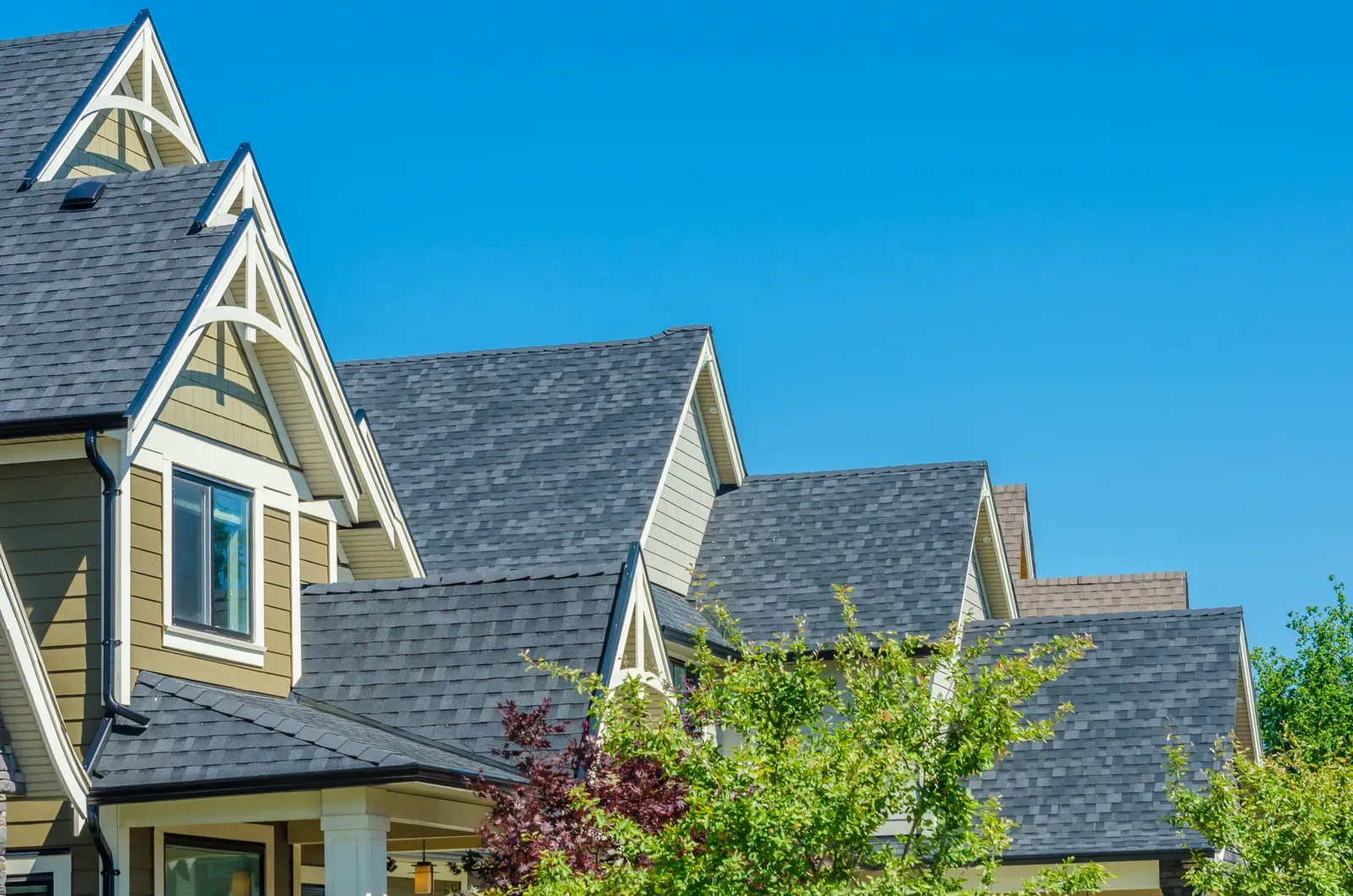
Roof load capacity refers to the amount of weight a roof is designed to support. Various factors influence this capacity, including the type of material used, the design of the roof, environmental conditions, and additional features. Typically, roofs are built to withstand both live loads, such as snow or temporary structures, and dead loads that include the permanent features of the roof itself.
Types of Roofs and Their Load Capacities
Flat Roofs
Flat roofs often have different load capacities compared to pitched roofs. Their structural design typically accommodates equipment such as HVAC units or other installations. According to industry standards, these roofs must support at least 20 pounds per square foot, although some are designed to hold more, accommodating outdoor gatherings or gardens.
Pitched Roofs
Pitched roofs, on the other hand, have a different load distribution and are generally designed to shed water and debris efficiently. They often support higher snow loads, especially in regions prone to heavy snowfall.
Factors Affecting Roof Load Capacity
Material and Structural Design
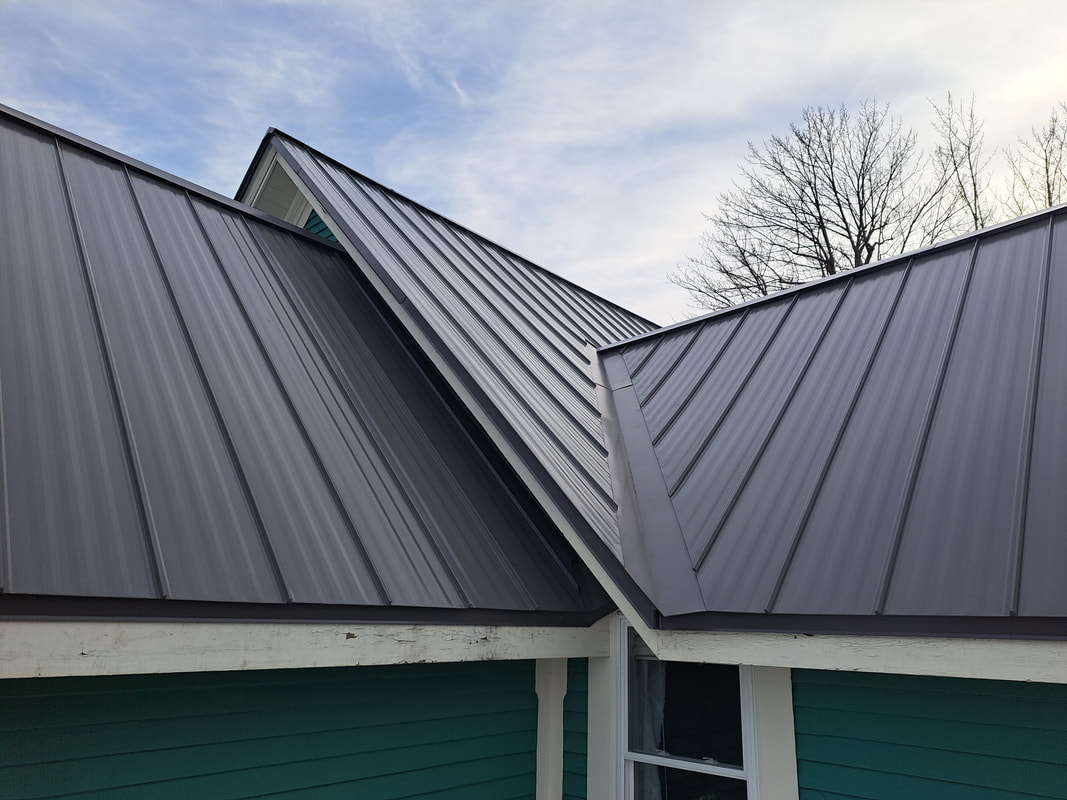
The materials used in your roofing play a significant role. Materials like concrete or metal can support more weight when compared to lighter materials like asphalt shingles. Similarly, the structural design, which includes trusses, beams, and rafters, defines how well the roof can distribute and bear load.
Weather and Environmental Considerations
Weather heavily impacts how much weight a roof can hold. Regions with heavy snowfall must have roofs that handle significant snow loads. Similarly, areas prone to heavy rain or wind damage require specially designed roofing considerations.
Impacts of Exceeding Roof Load Capacity
Exceeding the load capacity of your roof can have severe consequences. It might lead to structural damage, leaks, or even collapse. Understanding the limitations of your roof is essential to prevent costly repairs or hazardous living conditions.
Evaluating Your Roofs Capacity
To assess your roofs weight capacity, consulting with a professional roofer or structural engineer is advised. They can provide detailed evaluations and suggest necessary improvements or reinforcements required to accommodate additional loads.
Planning Rooftop Installations
For homeowners planning installations such as solar panels, it is critical to evaluate the roof weight capacity. Professionals can ensure your roof is adequately reinforced to support these additional structures safely.
Maintenance Tips to Improve Load Capacity
Regular inspections and maintenance can improve and even extend your roof’s load capacity over time. Ensuring the roof is free from debris, repairing minor faults promptly, and enhancing structural elements can make a significant difference.
Why Understanding Roof Load Is Crucial?
For any renovations, such as [Bathroom Remodel Cost](https://skyremodelingdesignandbuild.com/what-is-the-average-cost-to-remodel-a-bathroom/) or [Rental Kitchen Revamp](https://skyremodelingdesignandbuild.com/how-to-renovate-a-rental-kitchen/), ensuring that the roof load is adequate is important for safety and longevity.
External Considerations and Solutions
Look for solutions such as [How Much Does a New Roof Cost](https://roofclaim.com/how-much-does-new-roof-cost/)
FAQs
Can additional support increase roof capacity?
Yes, adding structural reinforcements can enhance a roofs load capacity. Consulting an expert can provide insights into appropriate methods.
How often should roof inspections occur?
Bi-annual inspections or after major weather events can ensure your roof remains in optimal condition.
What are common signs of overloading?
Indicators include sagging, water leaks, or visible structural damage. Prompt attention can prevent further complications.