
How Thick is Bathroom Tile? Tremendous and Remarkable Insights
When it comes to renovating your bathroom, one of the first questions that may arise is, how thick is bathroom tile? Understanding the thickness of bathroom tile plays a crucial role in the overall design and function of the space. It’s not just about aesthetics but also about durability, installation, and long-term maintenance. In this article, we dive deep into the world of bathroom tiles, offering tremendous and remarkable insights into everything you need to know.
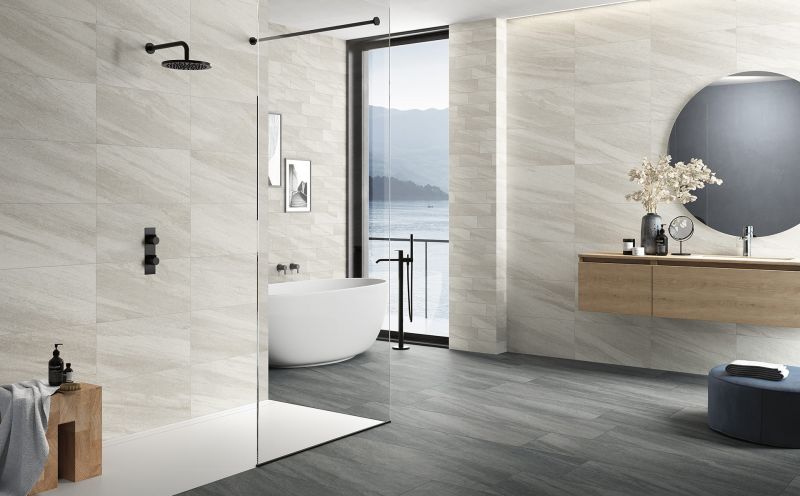
The Fundamentals of Tile Thickness
Understanding Tile Types
Bathroom tiles come in various types such as ceramic, porcelain, glass, and natural stone. Each type has its own thickness which affects both the appearance and application. Ceramic tiles, for instance, are typically between 3/16 and 1/4 inches thick. Meanwhile, porcelain tiles, known for their durability, often range between 3/8 and 1/2 inches. Check this article on installing bathroom tiles effectively.
The Importance of Thickness
The thickness of the tile not only impacts the aesthetic appeal but also the installation process. A thicker tile tends to be more durable and resistant to breaking. This is important in high-traffic areas like bathrooms. Therefore, determining the right thickness for your specific needs is crucial.
Choosing the Right Tile Thickness
Factors to Consider
When deciding on your bathroom tile thickness, consider factors such as the base floor, expected foot traffic, and personal style. A good guideline is to choose thicker tiles for floors and thinner ones for walls. This guide provides insights on suitable tiles for different bathroom areas.
Consulting with Professionals
Engaging with renovation experts can provide clarity on the suitable thickness for your tiles. Professionals can assess your specific situation and suggest the most appropriate tile type and thickness, ensuring longevity and safety in your bathroom design.
Installation and Maintenance Tips
Proper Installation Techniques
The thickness of the tile influences the installation procedures. Thicker tiles might require different adhesive materials and techniques compared to thinner ones. It’s essential to follow the manufacturer’s guidelines to ensure tiles are laid correctly and securely.
Maintaining Your Bathroom Tiles
Long-term maintenance for bathroom tiles varies based on their thickness and material. Thicker tiles typically withstand wear better, requiring less frequent repairs. Regular cleaning and the occasional resealing can keep your tiles looking fresh and extending their lifespan.
Frequently Asked Questions
What is the most common tile thickness for bathrooms?
The most common thickness is around 3/8 inches for floor tiles and 1/4 inches for wall tiles.
Can tile thickness affect heating systems?
Yes, thicker tiles may take longer to heat in floor heating systems but retain heat longer, offering better efficiency.
Are thinner tiles less durable?
Not necessarily. While thinner tiles might be more prone to cracking under pressure, they are perfectly suitable for wall applications where heavy impact is not a concern.
For more advice on your bathroom renovation, explore some stunning bathroom tile ideas.

Conclusion
Determining how thick is bathroom tile in your renovation project is vital for both aesthetic appeal and functional performance. With the right guidance and a comprehensive understanding of the factors involved, choosing the right tile thickness can enhance the beauty and efficiency of your bathroom. Stay informed, consult with professionals when necessary, and transform your bathroom into the retreat of your dreams!