How to Build Roof Trusses for a Shed? It’s Big and Approved!
Building a shed in your backyard is an exciting project that homeowners often take on to enhance their outdoor space. A crucial structural component of a shed is the roof truss, which provides support and stability. For those eager to start this construction journey, knowing how to build roof trusses for a shed is essential. This guide will explore the step-by-step process, offering practical insights and tips along the way.
Understanding Roof Trusses
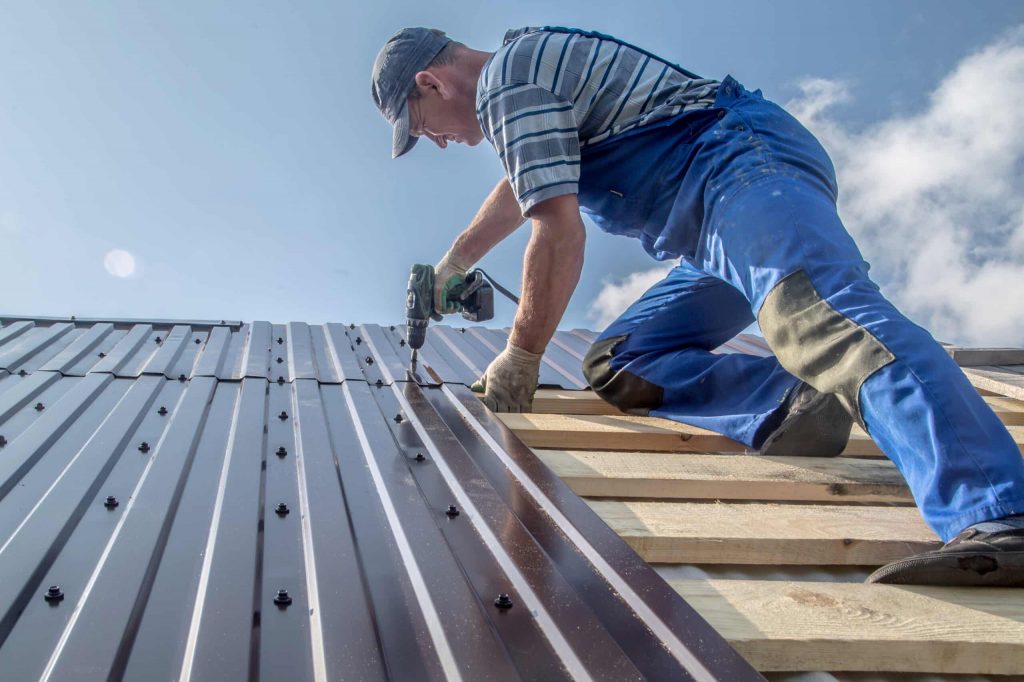
Before diving into the construction process, it’s important to understand what roof trusses are and their role. Roof trusses are frameworks typically made from wood, designed to support the weight of the roof. They can be crafted in various designs and sizes, depending on the shed’s specifications and intended use.
Planning Your Shed Roof
Choosing the Right Design
Your shed’s purpose influences the roof truss design. Whether it’s for storage, a workshop, or a small greenhouse, the truss should accommodate the load and aesthetic requirements.
Measuring and Calculating
Accurate measurements ensure your trusses fit perfectly. Calculate the span, slope, and spacing of the trusses, considering factors like roof load and local climate. To assist with measurements and calculations, you might find tools or guides online, such as [this blog on new roof cost](https://www.billraganroofing.com/blog/new-roof-cost), which can provide broader context.
Gathering Materials and Tools
Having the right materials and tools is crucial. You’ll need:
- Quality lumber
- Plywood for gusset plates
- Galvanized nails or screws
- A saw (preferably electric)
- A measuring tape and level
Considering materials is just a part of the planning stage. It’s also essential to be familiar with various roof truss concepts to ensure durability and longevity.
Step-by-Step Truss Construction
- Design the Truss: Create a blueprint, factoring in necessary angles and heights for a sturdy, balanced roof structure.
- Cut the Lumber: Use your blueprint as a guide to cut each piece of lumber precisely. This includes the top and bottom chords, along with any webbing necessary to reinforce the truss.
- Assemble the Truss: Lay the cut lumber out to form the truss shape. Connect the pieces using gusset plates and nails. Ensure each joint aligns correctly for a balanced structural integrity.
- Placement and Securing: Once assembled, the trusses should be placed at equal distances across the shed’s top frames. Secure each truss to the frame, ensuring stability and consistency in alignment.
Considerations for Sheds
Local Building Codes
Before starting, it’s vital to understand local building codes as they can affect how you build roof trusses. Check with your local municipality for regulations specific to shed constructions. [Here](https://www.bankrate.com/homeownership/cost-to-replace-roof/) is additional information on managing these considerations.
Climate Adaptations
Your geographical location impacts truss design. For instance, roofs in snowy regions need steeper pitches and sturdier materials than those in milder climates. Fortifying roof techniques can be advantageous in such regions.
Cost Implications
It’s beneficial to understand the potential costs involved in your shed project. Assess similar projects costs to set a realistic budget.
Maintaining Your Roof Trusses
Proper maintenance ensures the longevity of your shed’s roof. Regular inspections for leaks, damage, or wear will help in addressing minor issues before they escalate.
If your shed is prone to environmental stressors, applying relevant protective coatings can help. Discover more renovation tips and costs for a more comprehensive understanding.
Conclusion: Enjoy Your New Truss-Supported Shed
Creating a shed with well-built roof trusses offers not just utility but also enhances your propertys value. By proficiently executing the described methods, one can construct a structure that stands the test of time. This project, while demanding in precision, yields high satisfaction upon its completion.
Frequently Asked Questions
1. Why are roof trusses critical in shed construction?
Roof trusses offer structural integrity and support, handling the load of the shed’s roof, ensuring safety and durability.
2. Can I customize the design of my roof trusses?
Yes, customization is possible as long as it adheres to safety standards and local building codes. Your design should accommodate load requirements and aesthetic preferences.
3. How often should I maintain my shed’s roof trusses?
Regular inspections every six months to a year are recommended to ensure any minor issues are addressed promptly, maintaining structural integrity.