
How to Install Roof Flashing Against a Wall: Tips and Tricks
Understanding Roof Flashing
Roof flashing is an important aspect of maintaining your home’s integrity. It serves as a protective barrier, preventing water from seeping into your walls and causing damage. Knowing how to install roof flashing against a wall is crucial for any homeowner looking to safeguard their property.
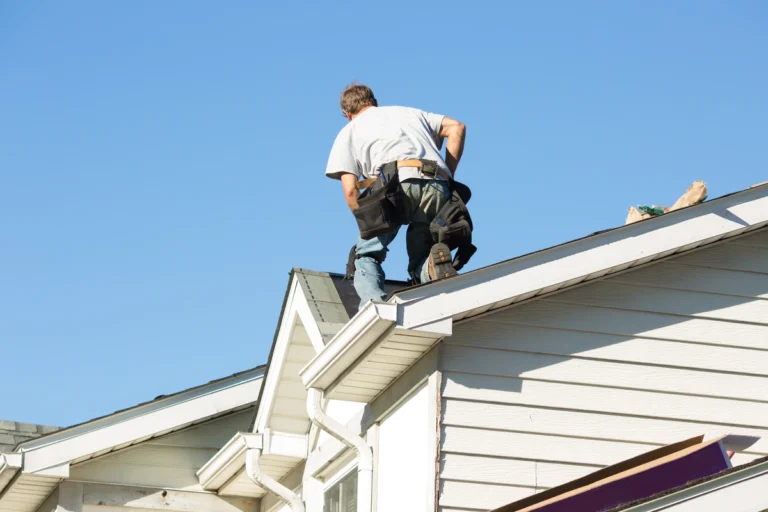
What is Roof Flashing?
Roof flashing is a thin layer of waterproof material installed around critical areas like chimneys, vents, and walls. Its main function is to redirect water away from seams or joints, keeping your home dry and secure.
Why is Roof Flashing Important?
Proper roof flashing installation helps prevent water damage, mold growth, and structural deterioration. It’s an essential practice for maintaining the longevity of your home. To effectively protect your property, understanding the procedure to install roof flashing against a wall correctly is vital.
Tools and Materials Required
Before beginning the process, make sure to gather all necessary tools and materials. Having everything on hand ensures a smooth installation process.
Essential Tools
- Hammer
- Roofing nails
- Flashing material
- Measuring tape
- Utility knife
- Caulk gun
Picking the Right Flashing Material
Select the correct flashing material for your roof type. Commonly used materials include aluminum, copper, and galvanized steel. Each has its pros and cons, so choose based on your specific needs.
Preparing for Installation
Preparation is key to a successful roof flashing installation. Proper prep work prevents complications during the actual installation process.
Inspect the Roof
Carefully inspect your roof for existing water damage. Address any issues before proceeding to ensure a long-lasting installation.
Measure Twice, Cut Once
Accurate measurements are essential. Measure the area twice before making any cuts to the flashing material, preventing unnecessary waste and errors.
Step-by-Step Installation Guide
Follow these steps to successfully install roof flashing against a wall:
Step 1: Cut the Flashing Material
Using your utility knife, cut the flashing to the correct dimensions. Ensure a precise fit to prevent gaps.
Step 2: Align the Flashing
Place the flashing against the wall, ensuring it is flush against the roof. This alignment is vital for effective water redirection.
Step 3: Secure the Flashing
Using a hammer and roofing nails, securely fasten the flashing to both the roof and wall. Drive nails into pre-designated spaces to ensure a firm hold.
Step 4: Apply Caulk
Seal any seams with roofing caulk to prevent water infiltration. Make sure to smooth out the caulk for a clean finish.
Maintenance Tips
Routine maintenance extends the life of your roof flashing. Follow these tips to keep your flashing in top condition:
Regular Inspections
Conduct regular checks for signs of wear or damage. Early detection prevents minor issues from becoming major problems.
Replace Worn Flashing
If you notice damage beyond repair, don’t hesitate to replace the flashing. Maintaining high standards of protection is crucial for your home’s safety.
FAQ
How often should roof flashing be inspected?
Inspections should be conducted at least twice a year, typically in the spring and fall months.
Can I install roof flashing myself?
DIY installations are possible, but if you’re unsure, hiring a professional can ensure a quality job.
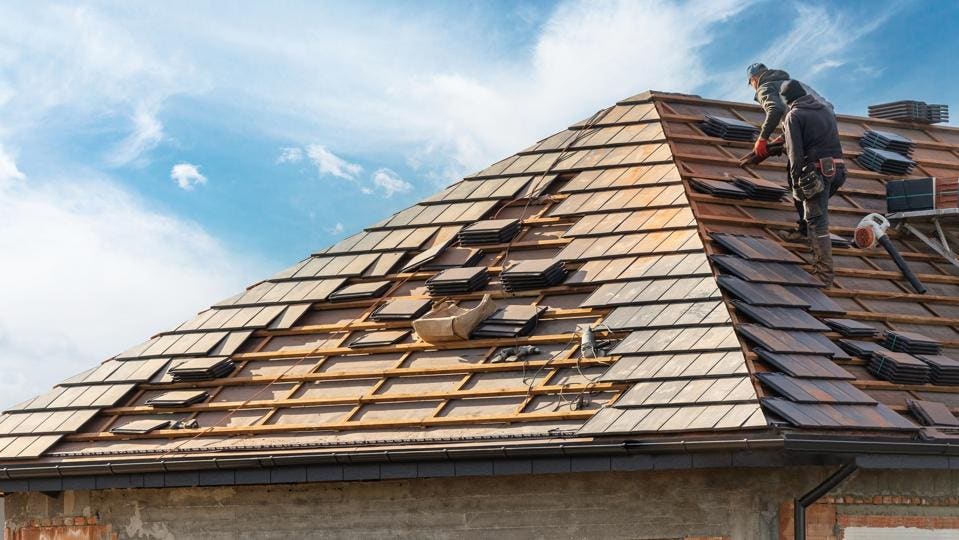
What materials are best for roof flashing?
Common materials include aluminum, copper, and galvanized steel, each offering different benefits based on your home and climate needs.
For more detailed guides and residential renovation tips, check out this helpful article or visit Roofing Calculator for further insights on roofing solutions you can trust.