
How to renovate a basement: terrific guides and tips
Renovating a basement is a big project that can add tremendous value to your home. Whether you want to create a livable space, an entertainment area, or a storage solution, learning how to renovate a basement is essential to achieving your desired outcome. With the right planning and execution, you can transform an underutilized area into a delightful and functional part of your home.
This guide will provide you with approved tips and techniques to help you with your basement renovation journey. Technology and modern design ideas can make the process more efficient and cost-effective. Whether you are doing a DIY project or hiring professionals, this guide will assist you in making informed decisions.
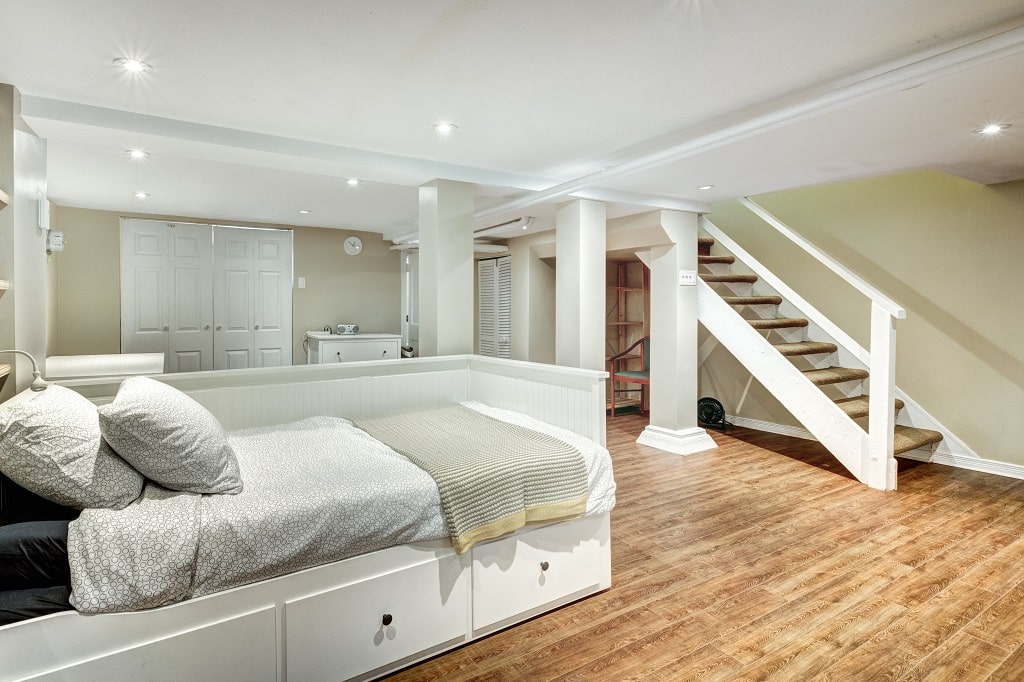
1. Initial Assessment of the Basement
Before embarking on your basement renovation, conduct a thorough assessment of the space. Check for any signs of water damage, mold, or structural issues. Knowing the condition of your basement helps you plan the renovation effectively.
Assess Moisture and Leaks
Moisture is a common concern in basements. Check for any leaks or wet spots and address these issues before proceeding. Consider installing a sump pump if necessary.
Evaluate the Structural Integrity
Inspect the walls, floors, and ceiling for cracks or structural weaknesses. Engage a professional if you notice any problems that need repair.
2. Planning Your Basement Layout
A well-thought-out layout is crucial for an efficient basement renovation. Define the purpose of the space, and plan accordingly.
Determine the Purpose
Decide if your basement will be a bedroom, playroom, office, gym, entertainment area, or combination of uses. Knowing its purpose will guide your layout decisions.
Design the Floor Plan
Create a floor plan that maximizes the available space. Consider partitions, furniture arrangement, and accessibility when designing the layout.
3. Budget and Cost Estimation
Set a clear budget before beginning your basement renovation. Having a financial plan helps prioritize aspects of the renovation.
Estimate the Costs
Include costs for materials, labor, permits, and unforeseen expenses. Account for everything to avoid surprises later.
Choose Cost-Effective Solutions
Opt for budget-friendly materials and solutions. For instance, vinyl flooring can replicate the appearance of wood at a lower cost.
4. Obtaining Necessary Permits
Secure any permits required by local authorities before commencing work. Approvals ensure your renovation meets safety and building standards.
Understand Local Building Codes
Research your regions building codes and requirements. Compliance with codes is vital for a successful and legal renovation.
Submit Design Plans
Present your design plans to the relevant authorities. Prepare for any required adjustments based on their feedback.
5. Ensuring Proper Insulation and Ventilation
Proper insulation and ventilation are critical components in a basement renovation. They ensure comfort and prevent moisture problems.
Install Insulation
Select the appropriate insulation for your walls and ceiling. Insulation helps regulate temperature and improve energy efficiency.
Implement Ventilation Systems
Consider adding ventilation systems or exhaust fans to improve air quality and reduce humidity.
6. Electrical and Plumbing Considerations
Coordinate electrical and plumbing elements carefully to align with your basement design and function.
Plan Lighting Design
Choose lighting fixtures that complement your basements purpose and aesthetics. Utilize a combination of ambient, task, and accent lighting.
Arrange Plumbing Layout
If your renovation includes a bathroom or kitchen, plan the plumbing layout early on. Consult a professional for assistance in complex installations.
7. Selecting Materials and Design Elements
The choice of materials and design elements greatly impacts the look and feel of your renovated basement.
Pick Suitable Materials
Choose moisture-resistant materials that are durable and easy to maintain. Vinyl, ceramic tiles, and treated wood are excellent options.
Incorporate Design Trends
Explore current design trends for inspiration. Adding bold colors, unique textures, or stylish patterns can create a delightful space [Read More](https://skyremodelingdesignandbuild.com/how-to-remodel-a-bathroom-with-tile-2/)
8. Hiring Professionals vs. DIY
Decide whether to hire professionals or tackle the project yourself. Each approach has its pros and cons.
Advantages of Hiring Professionals
Professionals bring expertise and efficiency to the project. They ensure high-quality workmanship and can handle complex tasks.
Benefits of DIY
If youre skilled and knowledgeable, a DIY approach can save money and give you more control over the renovation.
9. Assessing Lighting and Color Schemes
Lighting and color schemes play a significant role in setting the ambiance of your basement.
Select Ideal Lighting
Utilize various lighting types to create different moods. Pendant lights, recessed lighting, and LED strips offer practical and stylish options.
Choose Colors Wisely
Opt for light, neutral colors to create an illusion of space and brightness in your basement. Add pops of color with accessories or accent walls.
10. Strategies for Storage Solutions
Proper storage solutions keep your basement organized and functional.
Maximize Vertical Space
Install shelves or cabinets that utilize vertical space, creating more room for storage.
Hide Clutter Creatively
Consider built-in storage units or multipurpose furniture that can discreetly store items.
11. Flooring Options for Basements
Choose suitable flooring materials for your basement based on functionality and aesthetics.
Evaluate Durable Flooring
Opt for durable and water-resistant flooring materials such as tiles, vinyl, or laminate [View Flooring Ideas](https://www.familyhandyman.com/project/how-to-finish-a-basement-framing-and-insulating/)
Consider Comfort and Style
Select flooring that aligns with your comfort and design preferences. Add area rugs for warmth and coziness.
12. Furnishing and Decorating the Basement
Furnish and decorate the basement to make it a welcoming and functional space.
Choose Complementary Furniture
Select furniture that suits the purpose and layout of your basement. Ergonomic and space-saving pieces are ideal for limited spaces.
Decorate Thoughtfully
Add personal touches with artwork, plants, and decorative items that reflect your style.
13. Safety and Security Requirements
Ensure your renovated basement meets safety and security standards.
Install Fire Safety Measures
Include smoke detectors, fire extinguishers, and accessible escape routes in your basement.
Enhance Security Features
Implement security systems like surveillance cameras and secure locks for added protection.
14. Energy Efficiency and Sustainability
Incorporate energy-efficient and sustainable practices into your basement renovation.
Use Energy-Saving Appliances
Choose appliances that consume less energy, reducing the environmental footprint and utility bills.
Incorporate Eco-Friendly Materials
Select sustainable materials such as reclaimed wood or recycled tiles for your renovation.
15. Embracing Modern Technology
Leverage modern technology to enhance your basement renovation experience.
Install Smart Home Devices
Equip your basement with smart lighting, thermostats, and entertainment systems for convenience and automation.
Utilize Virtual Design Tools
Consider using virtual design tools for layout planning and visualization [Explore Design Tools](https://www.houzz.com/photos/basement-ideas-phbr0-bp~t_747)
FAQ Section
What is the first step when planning a basement renovation?
The first step is to conduct a thorough assessment of the basement to identify any existing issues, such as moisture or structural problems.
Should I hire professionals for my basement renovation?
Hiring professionals ensures expertise and quality results, especially for complex tasks. Consider your skills and budget before deciding.
What are the ideal flooring options for basements?
Durable, water-resistant flooring options such as vinyl, tiles, or laminate are ideal for basements.