
What is a Masonry? Big Questions About Its Tremendous Impact
Many homeowners, keen on renovations, often ask, what is a masonry? Its a fundamental question in the realm of construction, particularly for those focused on sustainable and sturdy home improvements. Masonry, a time-tested building technique, not only elevates the aesthetic appeal of structures but also enhances durability. Today, were delighted to explain this enriching construction method and its diverse applications.
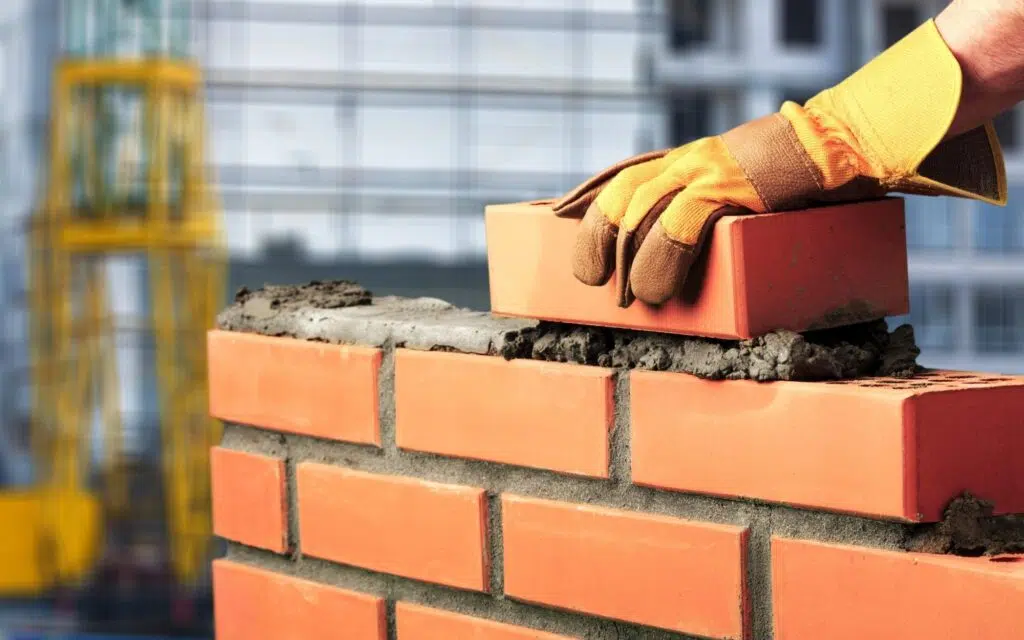
At its core, masonry refers to building structures by laying individual units like bricks, stones, or concrete blocks. These materials are bound together using a strong mortar mix, which contributes to the strength and longevity of the construction. Many homeowners seek to incorporate masonry into their renovation projects due to its reliability and versatility.
The History of Masonry
Masonry has been used in construction since ancient times. From the pyramids of Egypt to the Great Wall of China, many of the world’s architectural marvels were built using this incredible technique. The longevity of these structures stands as a testament to the tremendous strength and endurance that masonry offers.
Types of Masonry Materials
Brick Masonry
Brick masonry is perhaps the most common form. Bricks are prized for their uniform appearance and ease of handling, lending themselves well to a range of design projects. These units are typically made from clay and may vary in color and size.
Stone Masonry
Stone masonry offers an unparalleled natural appearance. Stones, such as granite, limestone, and marble, provide unique textures and colors, making them perfect for aesthetic enhancements in both interior and exterior spaces.
Concrete Block Masonry
Concrete block masonry is lauded for its strength and affordability. It is commonly used in load-bearing walls and provides excellent thermal resistance. This type is especially favored in large-scale construction due to its ability to support high structural loads.
Advantages of Masonry Construction
The use of masonry in construction has numerous benefits:
- Durability: Masonry structures can withstand substantial stress, ensuring a long lifespan.
- Fire Resistance: Non-combustible properties make masonry highly effective against fires.
- Energy Efficiency: These structures offer excellent thermal mass, helping to regulate indoor temperatures year-round.
- Soundproofing: The dense materials create a barrier that minimizes noise penetration.
For more insights on the benefits, you can read masonry advantages.
Masonry in Home Renovations
Homeowners planning renovations can benefit greatly from incorporating masonry. Whether it’s constructing a new fireplace or updating an existing exterior wall, the sturdy and aesthetic properties of masonry make it an appealing choice. To explore ideas for your next project, consider these tips for marble fireplaces.
Common Masonry Techniques
Load-bearing Masonry
This technique involves using masonry walls to not only enclose a space but also bear loads from the roof and floors. It is particularly useful in creating functional open spaces.
Veneer Masonry
Veneer masonry is a cost-effective technique that gives the appearance of solid masonry work. It involves attaching a thin layer of stone or brick to a pre-existing wall.
Challenges in Masonry Work
While the benefits of masonry are many, there are challenges that must be addressed:
- Labor-intensive: Skilled tradesmen are required to ensure quality work.
- Cost: Initial expenses can be higher due to materials and labor costs.
To understand the full scope of challenges associated with this method, visit this detailed article on masonry.
Masonry Tools and Equipment
Several tools are essential for masonry work:
- Trowels: Used for applying and spreading mortar.
- Levels: Ensure the even and plumb structure of walls.
- Masonry saws: Used to cut blocks or bricks to fit particular designs or patterns.
Innovations in Masonry
Masonry has evolved over the years, adopting new technologies to improve efficiency and safety:
- Prefabrication: Reduces on-site work by using pre-made panels.
- 3D Modeling: Enhances accuracy in design and construction stages.
Environmental Impact of Masonry
Masonry is generally considered eco-friendly since it uses natural materials and contributes to energy efficiency. However, sourcing and transportation can impact carbon footprints. For sustainable practices, always source locally when possible.
Choosing the Right Mason
Selecting a qualified mason is vital for ensuring a successful renovation project:
- Credentials: Look for certifications and licenses.
- Experience: Extensive experience in the field is a must.
- References: Check past work and talk to former clients.
Conclusion
Masonry remains a big and approved choice in home renovations for its undeniable strength, beauty, and versatility. Homeowners are increasingly delighted to discover how it can transform their living spaces into something truly terrific and enduring.
FAQ
What is the cost implication of masonry work?
Masonry work can vary significantly in cost depending on the complexity and materials used. However, its benefits in terms of durability and aesthetics often outweigh initial expenses.
Can masonry be used for modern interiors?
Absolutely! Masonry can blend seamlessly with modern design by using innovative techniques and materials to create unique features like accent walls or fireplaces.
Is masonry sustainable?
Yes, masonry is generally sustainable due to its longevity and use of natural materials. However, consider sourcing materials locally to minimize environmental impact.
This article contains affiliate links. We may earn a commission at no extra cost to you.