
What is Masonry Veneer and Why It’s Here To Stay
The burgeoning interest in home renovations has invariably led many homeowners to ask, what is masonry veneer? It’s a big topic in the construction and remodeling world, and for good reason. Homeowners are delighted by the possibilities that this technology brings to their renovation projects. But what exactly is it, and why should you consider using it?
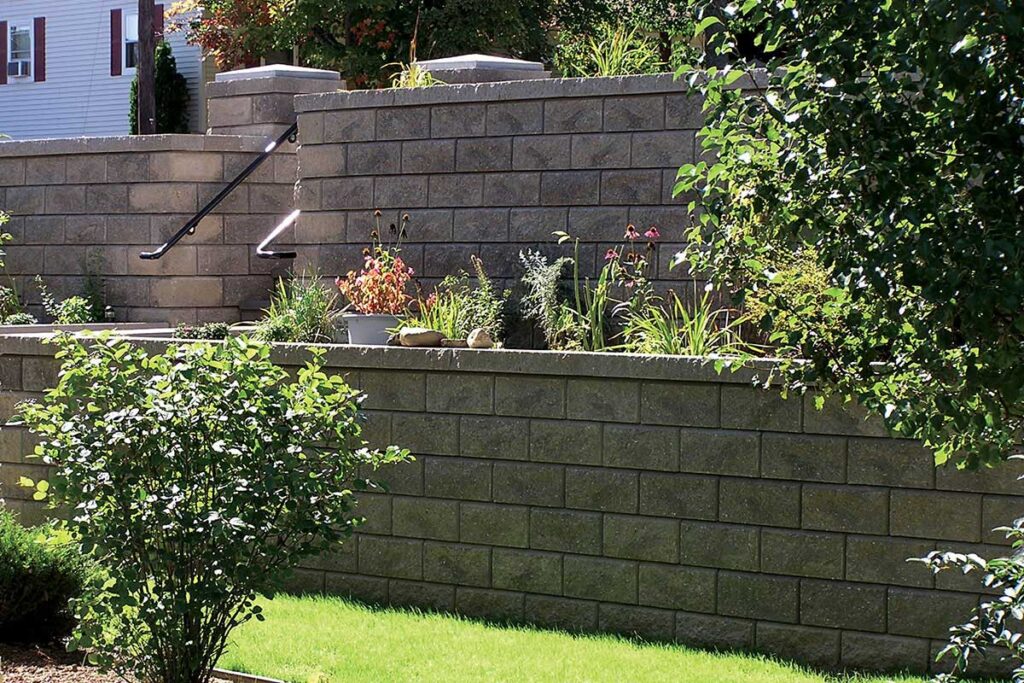
Masonry veneer is a construction material that provides the appearance of solid masonry without the structural considerations. It is a thin layer of masonry that is applied to a building’s surface, giving it the beautiful look of solid stone or brick. As the term suggests, it acts as a ‘veneer’ a refined layer added for aesthetic purposes.
The Tremendous Advantages of Masonry Veneer
Cost-Effectiveness
One of the most significant advantages of using masonry veneer is its cost-effectiveness. Incorporating veneer materials can substantially decrease construction costs while still achieving an elegant, high-quality look. This is a terrific option for those who desire a classic brick or stone finish without breaking the bank.
Versatility and Design
Masonry veneer offers tremendous versatility in terms of design. It is available in a variety of styles and colors, allowing homeowners to choose the perfect match for their home’s exterior. This capability supports the customization of homes to specific tastes and styles, from modern sleek lines to traditional rustic appeal.
Ease of Installation
With its light weight and simplified installation process, masonry veneer is an approved choice for many remodeling projects. While traditional masonry requires skilled labor and significant time, veneer systems can be installed more easily and quickly, minimizing labor costs and disruption to your home life.
Approved Materials in Masonry Veneer Projects
Common Materials Used
The construction technology of masonry veneer includes materials such as thin bricks, manufactured stone, and even natural stone, each with their specific applications and benefits. These materials conform to countless design requirements while maintaining structural integrity.
Environmental Impact and Sustainability
Incorporating masonry veneer into your renovation boasts sustainability benefits. The production of veneer materials typically consumes less energy, causing a lower environmental footprint compared to traditional brickwork.
Application and Technology in Home Renovations
Popular Uses in Residential Projects
The application of masonry veneer extends beyond mere aesthetics. It is effective in enhancing the outer walls, fireplaces, and even as feature walls within homes. Projects such as remodeling [old fireplaces](https://skyremodelingdesignandbuild.com/how-to-renovate-an-old-fireplace/), [small closets](https://skyremodelingdesignandbuild.com/how-to-renovate-a-small-closet/), and [backyards on a budget](https://skyremodelingdesignandbuild.com/how-to-renovate-backyard-on-a-budget/) can all benefit from this technology.
Technological Advancements
Modern advancements have led to the creation of more sophisticated and higher quality masonry veneer products, contributing to longevity, and boosting the material’s resistance to weather and wear.
Installation Process
The process of installing masonry veneer varies slightly from traditional masonry. It generally involves preparing the substrate, applying a moisture barrier, and setting the veneer. Detailed installation instructions can be found in resources such as this comprehensive guide on [masonry structures](https://www.sciencedirect.com/topics/engineering/masonry-structure).
Challenges and Considerations
Structural Integrity
While primarily aesthetic, it’s essential to ensure that veneer installations are done correctly to enhance structural integrity. Improperly installed veneer can lead to moisture problems or even damage over time.
Moisture Management
An effective moisture barrier is crucial to prevent damage from water intrusion. Techniques and technologies continue to evolve, offering better protection against elements, which is key to maintaining the aesthetic and functional quality of masonry veneer.
A Look at the Future of Masonry Veneer
It’s clear that the demand for masonry veneer is here to stay. Its advantages in cost, versatility, and aesthetic appeal make it a compelling choice for homeowners and builders alike, promising to play a big role in both contemporary and future construction.
Innovations on the Horizon
As sustainability and efficiency become the focus, the building materials industry is likely to see new innovations integrating eco-friendly technologies with masonry veneer. Emerging products may further reduce environmental impacts while increasing practicality and appeal.
FAQs About Masonry Veneer
What is masonry veneer?
Masonry veneer is a thin layer of brick or stone used for decorative purposes on the exterior or interior of buildings, giving the appearance of solid masonry without the structural weight.
How durable is masonry veneer?
With proper installation and maintenance, masonry veneer is durable and can effectively withstand weather conditions and general wear over time.
Is masonry veneer suitable for DIY projects?
While simpler than traditional masonry, installing masonry veneer still requires some level of skill and knowledge. Homeowners should consider consulting with professionals to ensure quality outcomes.
This article contains affiliate links. We may earn a commission at no extra cost to you.