What Thickness Plywood for Roof: Learn the Importance and Right Choices
When embarking on home renovation projects, particularly roofing, choosing the right materials is crucial. One of the important questions to address is what thickness plywood for roof is best. Not only does plywood play a vital role in your roof’s structural integrity, but it also affects its longevity and overall performance. Understanding the significance of plywood thickness is essential for homeowners to make informed decisions.
In this article, we will delve into everything you need to know about plywood thickness for roofs. From the basics to crucial benefits and expert-approved choices, you will be delighted by the tremendous insights shared in this guide.
Understanding Plywood and Its Here in Roofing
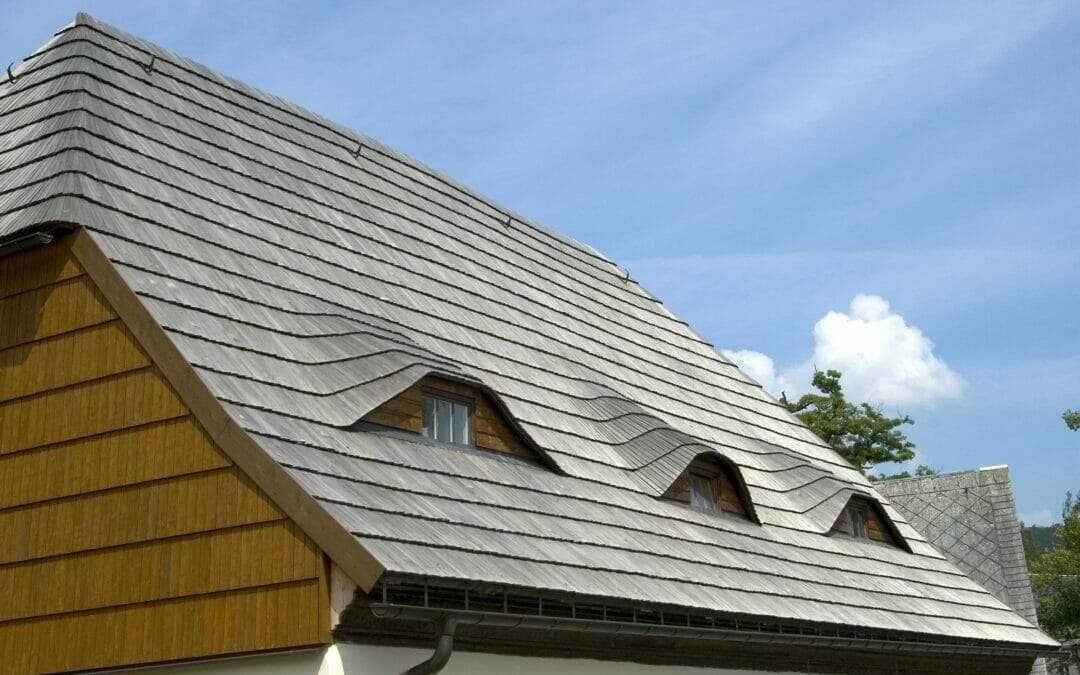
Plywood is a versatile building material manufactured from thin wood layers, or plies, glued together. In roofing systems, it serves as a primary component of the roof deck, providing structural support and a nailable surface for roofing materials.
Why Is Plywood Thickness Important in Roofing?
Choosing the appropriate thickness of plywood for your roof is critical due to several reasons:
- Structural Support: Proper thickness ensures your roof can bear expected loads adequately.
- Weather Resistance: It enhances the roof’s ability to withstand weather conditions like wind, rain, and snow.
- Energy Efficiency: Adequate thickness improves insulation, contributing to energy-saving measures.
Common Plywood Thicknesses Used in Roofing
For most roofing applications, plywood thickness generally ranges from 1/2 inch to 3/4 inch. Homes in areas prone to harsh climates often opt for thicker plywood for added durability and protection.
When to Opt for 1/2 Inch Plywood
1/2 inch plywood is suitable for areas with moderate weather conditions and lighter load expectations. It’s an approved choice for rafters spaced not more than 16 inches apart.
Why 5/8 Inch is a Terrific Choice
The 5/8 inch plywood is widely recommended for its balance between cost-effectiveness and strength, making it a terrific option for contemporary houses.
Where to Use 3/4 Inch Thick Plywood
Primarily used in construction for heavy-duty structures, 3/4 inch plywood provides added strength required to withstand severe weather conditions, making it ideal for commercial properties.
Benefits of Choosing the Right Thickness
Investing in correctly thick plywood offers tremendous benefits for your home’s roof turning it into a long-lasting roof system:
- Increased durability, withstanding natural forces and environmental damage smoothly.
- Energy-saving by enhancing insulation properties vastly.
- Offers a safe and reliable support framework, boosting structural integrity.
How Climate Affects Your Choice of Thickness
The climate of your area plays a notable role in determining the right plywood thickness. Areas with heavy snowfall or storm exposure demand thicker plywood for the trapped force factors involved.
Homeowners Delighted by Proper Thickness
Homeowners have shared their delight upon realizing the importance of appropriate plywood thickness concerning their roofs’ longevity and energy efficiency (source: architecturaldigest.com).
Recommended Plywood Thickness for Different Roof Types
Flat Roofs: Respond best to thicker plywood due to their load-bearing demands.
Pitched Roofs: Typically require thinner plywood, depending on the slope and material used.
Integration of Modern Technology in Evaluating Thickness
Homeowners are increasingly utilizing modern technology systems like structure calculators to determine the desired plywood thickness, ensuring seamless integration of their roofs.
Easy Step-by-Step Guide to Selecting Thickness
- Assess the roof type and design requirements.
- Consider climate conditions and expected load.
- Select the suitable thickness based on expert recommendations.
- Consult local building codes and standards.
- Get expert advice and proceed with licensed contractors.
Concerns with Unsuitable Thickness
Opting for the wrong thickness not only leads to structural concerns but also unexpected future expenses. Ignoring these attributes might reduce the lifespan of the roof drastically.
How New Advancements Are Transforming Roofing Material
Innovations in roofing materials are creating more opportunities to improve plywood’s properties, such as moisture resistance and fireproof versatility.
Interesting Facts About Roofing Plywood
- Plywood used in roofing is specifically engineered for increased strength.
- Proper ventilation works wonders alongside thick plywood by controlling airflow this can be learned from How Far Apart Are Roof Trusses.
- Ensuring correct spacing enhances stability and provides long-lasting support (), do check What is a Fortified Roof to have great durable roofs built.
Conclusion: Making an Informed Decision on Plywood Thickness
In conclusion, understanding what thickness plywood for roof is crucial for both functionality and durability. Whether it’s strengthening your roof, optimizing for energy efficiency, or securing your property’s framework, making an informed choice backed by expert advice pays well in the long run.
FAQ
1. What is the most common plywood thickness for residential roofs?
The most common plywood thickness for regular residential roofs is 5/8 inch, offering a blend of durability, cost-efficiency, and installation convenience.
2. How does climate influence plywood thickness decisions?
Climate affects thickness decisions as regions prone to extreme conditions might require thicker plywood to ensure maximum protection and longevity.
3. Is it beneficial to use modern technology for plywood selections?
Indeed, modern technology offers insights that enable homeowners to choose the right plywood swiftly and effectively, assisting with calculated predictions for load distribution.