
Where to Start Laying Tile in a Bathroom? Terrific Guide
When it comes to home renovations, one of the most common tasks homeowners eagerly undertake is retiling the bathroom. But, where to start laying tile in a bathroom? This question is paramount not only for aesthetic reasons but also for functionality. Starting at the right place can set the tone for the entire project, ensuring precision and a pleasing final look. In this terrific guide, we will explore strategic tips and approved technology that will help you in your bathroom project, ensuring longevity and beauty.
The bathroom is more than just a utility space in your home. Its a sanctuary, a place where you can relax and unwind. Getting the tile layout right is crucial as it enhances the ambiance of your bathroom. Numerous factors influence where to start laying tile in a bathroom, and were delighted to guide you through this process. Our main focus will be to ensure you have a tremendous experience that leaves you satisfied and proud of your DIY project.
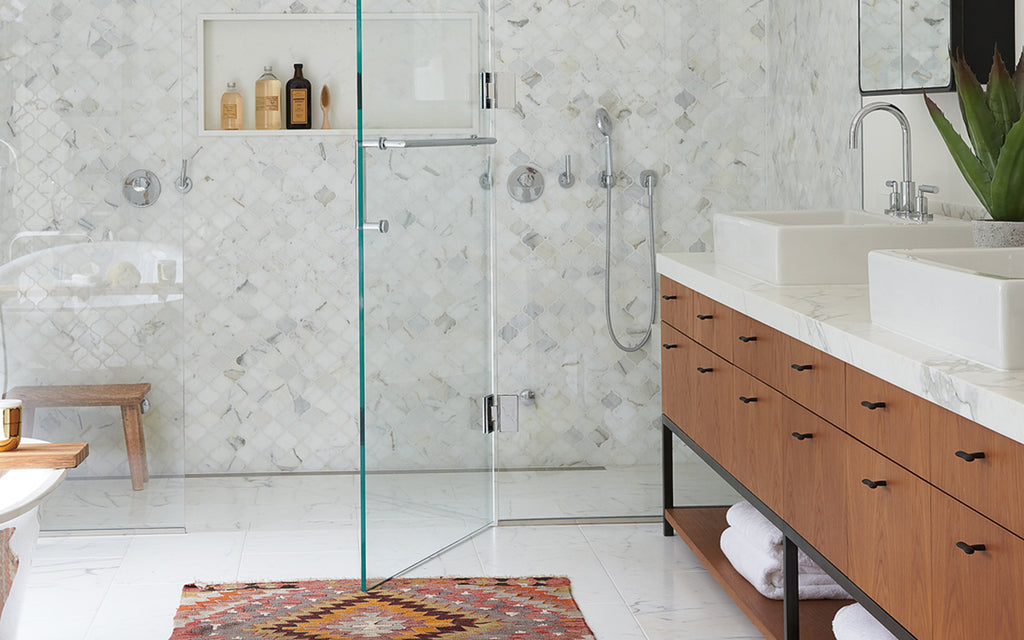
Understanding the Bathroom Layout
Before you start, examining your bathroom’s layout is essential. Understanding the dimensions and overall shape of the room plays a key role in determining the best starting point for your tiles. Whether your bathroom is large or compact, knowing where all the key features are, like the toilet, sink, and bath or shower area, will assist in making informed decisions.
Choosing the Right Type of Tile
Types of Tiles for Bathrooms
There are various tiles available, each offering distinct qualities. Common types include ceramic, porcelain, glass, and stone tiles. Each type has its benefits, so making an informed choice will help you achieve a beautiful and approved finish.
The Importance of Tile Size
Consider the sizes of your tiles. Small tiles might add more complexity to the installation but can offer greater slip resistance, which is critical in wet areas. Larger tiles, on the other hand, create fewer grout lines, introducing a smoother, more continuous surface.
Essential Tools and Materials
Gathering the Right Tools
Proper tools simplify the process and ensure a professional touch. Some must-have tools include a tile cutter, tile spacers, notched trowel, level, and a mixing bucket. Each tool serves a different purpose; hence, having them ready will set you up for success.
Preparing Materials
Having all your materials at hand is vital. Be sure to have enough tiles, adhesive, grout, and spacers to complete the job without interruptions.
Preparing Your Subfloor
Preparation of the subfloor is a crucial step. A clean, dry, and level subfloor is necessary to prevent future problems with your tiles, such as cracking or popping. If your bathroom floor is uneven, rectify it before proceeding with the tiling process.
The Strategic Starting Point
Often, the best place to start laying tiles is the center of the room. This technique allows for a symmetrical tile layout, an advantageous approach particularly in bathrooms where straight lines enhance the space’s allure. From the center, you can move outward towards the walls, ensuring that cuts and adjustments occur at the less visible edges of the room.
Other Starting Options
If your bathroom has a focal feature, such as a shower cubicle or a bathtub, consider starting near these areas. This method highlights the feature, complementing the room’s design. Explore tile ideas that can help accentuate these fixtures.
Cutting and Fitting Tiles
Accurate cutting ensures that your tiles fit the space perfectly. A tile cutter or wet saw should be used for precise cuts. It’s important to measure twice and cut once to minimize waste and achieve terrific outcomes.
Dealing with Obstructions
Bathrooms contain pipes and other fixtures that need careful consideration. Planning your tile layout early can help reduce unnecessary cuts around these obstructions, maintaining the flow and aesthetics of the floor.
Laying the Tiles
The Technique of Buttering
Applying adhesive correctly is key to tile stability. The buttering method involves spreading adhesive both on the tile and the floor using a notched trowel to ensure optimal adhesion.
Aligning Tiles
Using spacers, you can ensure even spaces between tiles for consistent grout lines. Regularly verify the alignment with a level to ensure each row remains flush with the previous one.
Grouting Tiles
Once the adhesive has set, applying grout fills the gaps between tiles and secures them. Remember to choose a grout color that complements your tiles. A lighter grout can make the tiles pop, whereas darker grout hides dirt and wear better.
Finalizing the Grout
Once applied, wipe the tiles with a damp sponge to remove excess grout. This step ensures a clean, polished look upon drying.
Sealing the Tiles
Sealing is the final step, protecting both the tiles and grout from water damage and staining. A high-quality sealant extends the life of your tiles and maintains the shine of your bathroom floor.
Wrapping it Up
Successfully laying tiles involves careful planning and execution. By starting at the optimal point and progressing systematically, you ensure that your bathroom floor not only looks good but also serves its purpose effectively.

FAQs
What is the best pattern for laying bathroom tiles?
A popular choice is the grid pattern for easy alignment. If you’re looking for something unique, consider trying herringbone or diagonal patterns.
How long should I wait before walking on new tiles?
Typically, it’s best to wait at least 24 hours after laying tiles before walking on them, ensuring the adhesive and grout have cured properly.
Should I seal tiles after installation?
Yes, sealing tiles post-installation protects them against moisture and stains, enhancing durability and keeping them looking new.